

























































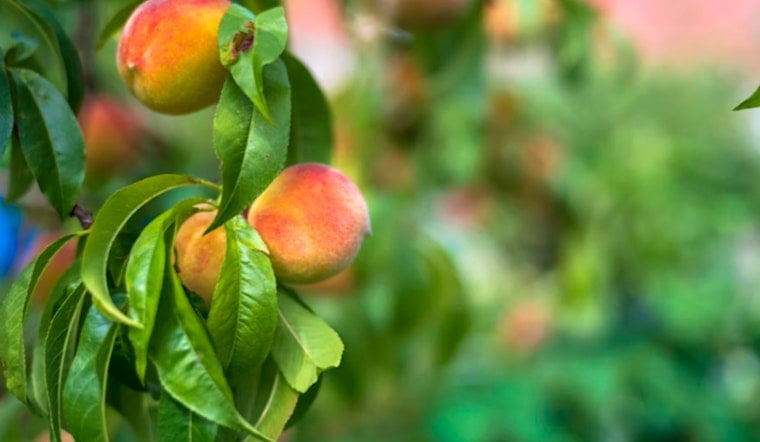
Federal relief is finally landing for Central Valley peach growers who suddenly found themselves without a buyer. On Tuesday, the U.S. Department of Agriculture signed off on up to $9 million to help pay for tearing out clingstone peach orchards that were left stranded after Del Monte Foods' bankruptcy wiped out long-term contracts. The money is meant to cover tree-pulling and land-transition costs ahead of the summer harvest and is part of a broader $12 million plan that includes a $3 million industry match. Growers now have a tight spring window to decide whether to yank young trees or gamble on finding replacement buyers.
Lawmakers announcing the USDA decision said the federal share is expected to fund removal of up to 420,000 clingstone trees and related transition expenses. According to The Sacramento Bee, the $9 million federal portion fits into a $12 million tree-pull proposal put forward by the California Canning Peach Association and industry partners. That analysis, cited by lawmakers, estimated that taking roughly 50,000 tons of orphaned peaches off the market could head off about $30 million in additional losses.
“These guys have decisions to make, they have to get the trees out, they have to decide if they’re going to plant something else, what they’re going to plant, and timing is very critical,” Rep. Mike Thompson said in an interview, according to The Sacramento Bee. The USDA approval follows a bipartisan letter from nearly 40 California lawmakers asking the department to make disaster and market-disruption programs available to affected growers, according to Rep. Mike Thompson's office. Officials said the aid is aimed primarily at Sacramento Valley communities where clingstone acreage is concentrated.
Who’s Left Holding the Fruit?
Del Monte pulled the plug on its long-term, 20-year contracts last year, contracts that together yielded roughly 74,000 tons of cling peaches in 2025 and left many growers suddenly without a buyer. Pacific Coast Producers, which acquired Del Monte’s fruit inventory and brand rights in the bankruptcy sale, has said it plans to source more fruit and laid out its acquisition and future plans in a press release, according to Pacific Coast Producers. Industry reporting indicates Pacific Coast Producers offered one-year contracts for about 24,000 tons, leaving roughly 50,000 tons of peaches, an estimated 3,000 acres, without a home this season, as reported by Fresh Fruit Portal.
A Costly Choice for Farmers
With less processing capacity on the table and only short-term deals in play, many growers have already started ripping out orchards rather than risk fruit that has nowhere to go. On-the-ground coverage shows farmers staring at immediate bills of roughly $2,000 to $3,000 an acre to remove trees and prepare fields for whatever crop comes next, and new plantings can take years before they turn a profit, according to CBS Sacramento. The financial hit does not stop at the farm gate, with seasonal labor, local suppliers and small-town services in places like Yuba and Sutter counties all feeling the squeeze.
Lawmakers and industry leaders are calling the USDA funding a stopgap while federal officials hammer out eligibility rules, timelines and how growers can actually apply. They are also pushing for flexibility so farmers who move quickly to pull trees are not shut out of help. Rep. Mike Thompson and his colleagues had urged USDA’s Agricultural Marketing Service to provide the $9 million and pressed for Farm Service Agency programs to be made as accessible as possible to impacted producers, according to Rep. Mike Thompson's office. More detailed guidance from USDA is expected in the coming days as farmers decide whether to rebuild clingstone orchards or pivot to other permanent crops.





