

























































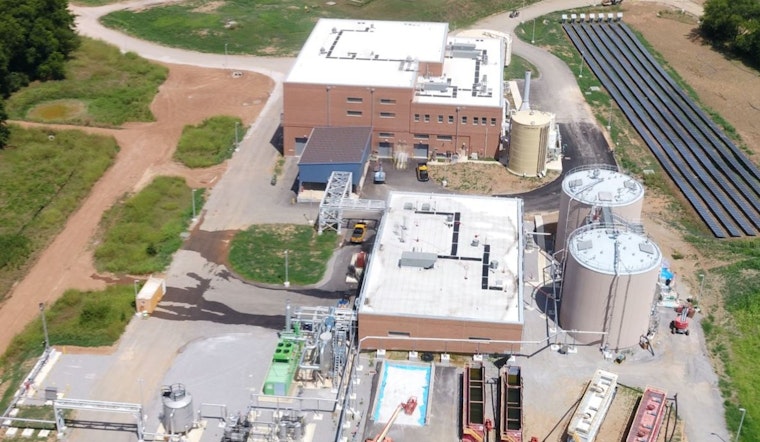
Franklin’s long‑planned clean water upgrade on the city’s southeast side just got a serious boost, with local leaders reviewing a financing package that nudges the project out of concept mode and toward construction. City officials say the buildout will unfold over roughly the next decade, expanding reuse and river‑augmentation options as Franklin continues to grow. The Board of Mayor and Aldermen took up the plan during Tuesday’s meeting.
According to WSMV, the city has locked in a low‑interest state loan of nearly $17.6 million for the South Clean Water Facility. Franklin reports the package comes with a 2.35% interest rate and includes $5.8 million in loan forgiveness that functions like a grant. Staff walked aldermen through those figures as part of a broader update on the project schedule and what comes next.
Site, capacity and pilot work
The facility is listed in Franklin’s capital plans as a six‑million‑gallon‑per‑day plant located at the Pearlene M. Bransford Municipal Complex in southeast Franklin, between Carothers Parkway and I‑65, according to the City of Franklin. The city’s Clean Water project materials note that a demonstration purification facility operated in fall 2022 to test membrane filtration, ozonation, biofiltration, and other advanced processes that are expected to be scaled up for full‑time operations.
State loan program in brief
The money comes through Tennessee’s State Revolving Fund, which provides low‑interest loans and can include principal forgiveness for qualifying projects that improve affordability, according to the Tennessee Department of Environment and Conservation. Program rules on interest rates and affordability criteria determine who gets help on principal and how repayment terms are structured.
Why the upgrade matters
Environmental advocates have been sounding the alarm for years about nutrient stress on the Harpeth River. The Harpeth Conservancy has pointed to historically high phosphorus discharges tied to Franklin’s treatment system. City project documents state that a full‑scale clean water facility is expected to support irrigation reuse, bolster river flows during drier months, and create additional non‑potable reuse options that could help dial back downstream impacts.
Timeline and next steps
City records and local reporting indicate design, permitting, and construction work are slated to stretch across the next decade, with officials projecting that the plant will be online by 2034. In the near term, Franklin plans to move into detailed design, permit applications, and community briefings as the effort shifts from pilot testing to full engineering and construction.
Officials say they intend to post milestones and public notices as the project advances, and residents can look to the Tennessee SRF program page for background on funding rules and affordability criteria. City staff and the Water Management Department remain the go‑to contacts for timelines, construction updates, and opportunities for public input.





