

























































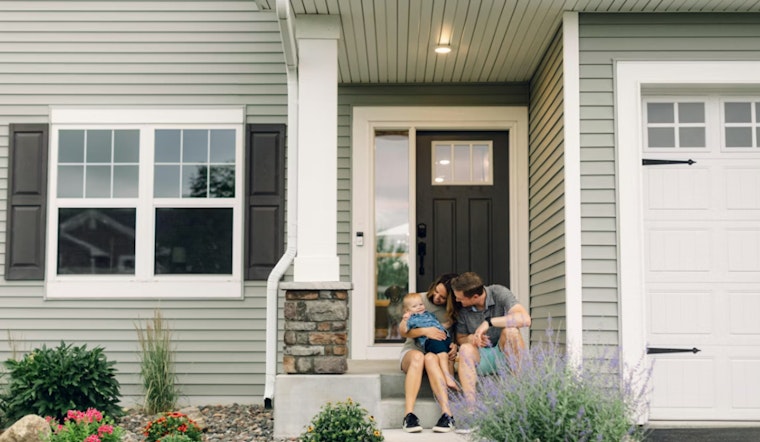
Hoʻōla iā Mauiakama Disaster Long Term Recovery Group has rolled out a new House to Home Program to help Lahaina families actually live in the houses rebuilt after the August 2023 wildfires, not just sleep under their roofs. The program offers participating households between $8,000 and $25,000 for essential furnishings such as beds, tables, kitchenware and other basics that turn a finished structure into a functional home. It is aimed at families whose houses were reconstructed through Hoʻōla LTRG’s partnership with Mennonite Disaster Service, and organizers say the first two households have already moved back into completed homes.
As reported by Maui Now, the House to Home effort launched with a $30,000 gift from the Asian Real Estate Association of America’s Hawaii Aloha Chapter and a $20,020 contribution from the Maui Pono Foundation. According to the outlet, that initial pot of funding is earmarked to support the first two families whose homes were finished through the Hoʻōla and Mennonite Disaster Service rebuild partnership.
According to Hoʻōla LTRG, the grants are designed to cover items that rarely make it into construction budgets and to give returning families a faster path back to everyday routines. The organization says its disaster case managers and volunteer rebuild program have worked with hundreds of survivors and that House to Home is meant to plug a stubborn post-construction gap. Hoʻōla is also taking in-kind donations of furnishings, household goods and services so the cash can stretch to more households.
Community partners and volunteers held private blessing ceremonies on March 6 to hand over keys to the Yadao and Kahahane families after roughly five months of construction, as reported by Maui News. Project leads with Mennonite Disaster Service told the outlet that volunteers logged more than 7,500 hours on the two homes, a reminder that sweat equity is still carrying a big share of Maui’s rebuild.
“The House to Home Program ensures that when families return they can truly begin living there,” Executive Director Rhonda Alexander‑Monkres said, describing the grants as a bridge between a finished build and a lived-in space. The remark was included in an article published by Maui Now.
How To Support House To Home
Businesses, contractors and residents are being asked to chip in with furniture, household goods, volunteer time or cash to expand the program’s reach. Organizations or individuals interested in supporting House to Home can contact Hoʻōla LTRG through its website for details on donation logistics, drop off locations and volunteer coordination. The group’s Unmet Needs Roundtable also works behind the scenes to match contributions with families who are facing the most urgent gaps.
Why It Matters
Furnishing a house is a pricey and often overlooked piece of recovery that can keep families in limbo even after the walls, windows and roof are in place. Community rebuild efforts that combine volunteer labor with philanthropic grants try to speed up that last stretch, but long construction timelines, expiring temporary housing and a tight local market mean many survivors still wait a long time for real stability. Hawai‘i Public Radio and other local outlets have tracked similar volunteer driven rebuild partnerships and philanthropic pushes aimed at closing those gaps.





