

























































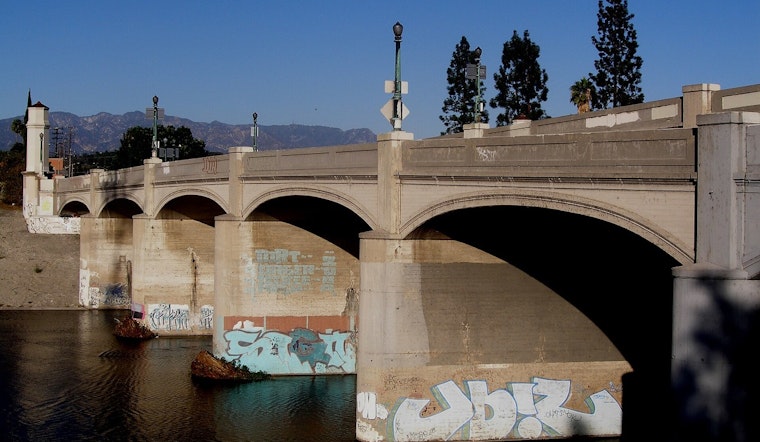
The century-old Glendale-Hyperion Bridge is finally getting its long-anticipated facelift: a roughly $208 million overhaul that city officials say will stretch over five to six years, starting in 2026. The plan pairs major seismic upgrades with wider sidewalks, new bike lanes, restored historic details, stormwater capture features and a reworked I-5 off-ramp. City leaders insist the span will stay open during construction, even as crews tackle some serious structural work.
What the project will change
According to the Bureau of Engineering, the Glendale Boulevard–Hyperion Avenue Viaduct Complex project covers five bridges that cross the Los Angeles River, Interstate 5 and Riverside Drive. The job includes seismic strengthening, widening the Glendale Boulevard bridges to add ADA-compliant sidewalks and adding bike lanes on Hyperion Avenue.
Crews will also restore historic balustrades, pylons, towers and light poles, aiming to keep the bridge looking like the landmark locals know while bringing it up to modern safety standards. The city plans to realign the I-5 northbound off-ramp and add LA River bikeway access ramps, along with infiltration basins designed to cut polluted runoff flowing into the river.
Price tag and funding
A city project status report pegs the construction estimate at about $208.8 million, with a total funding package of roughly $241.7 million that includes federal HBP funds, a Prop 1B allocation and CTIEP grants, according to a City project status report. The paperwork shows the city has submitted an exception request to Caltrans for contingency funding tied to procurement.
That request is part of a larger funding strategy meant to keep the contract award on schedule in the face of rising material and construction costs. In other words, the city is trying to lock in money before inflation makes the bill even bigger.
City leaders tout safety and history
Officials are pitching the overhaul as both a safety upgrade and a preservation effort. Los Angeles City Councilmember Hugo Soto-Martínez said the project "will make a difference for safety, liability, and quality of life for everyone who uses this corridor," as reported by CBS Los Angeles. Another official told the outlet the work will "preserve an historic landmark" while prioritizing walking and bicycling.
Timeline and traffic impacts
The Bureau of Engineering's schedule shows Stacy and Witbeck was selected as contractor in November 2025, with construction beginning in February 2026 and expected to last five to six years, according to the Bureau of Engineering. City staff say the project will be staged so the bridge is never fully closed to traffic.
Drivers, cyclists and pedestrians should still expect lane shifts, ramp reconfigurations and phased closures as the work moves from section to section. Most in-river construction is scheduled for the dry season to limit environmental impacts and help with permitting.
How it ties into the river and bike network
The consultant Psomas notes that the redesign will realign ramps and the LA River bike path, build new bicycle and pedestrian facilities and upgrade drainage systems to protect river water quality. Those changes are meant to better connect Atwater Village, Silver Lake and Los Feliz to the expanding LA River greenway.
The project also aims to fix long-standing safety complaints from cyclists who have had to squeeze into narrow shoulders on the bridge. If everything stays on schedule, daily commuters and neighborhood residents should see a calmer crossing and better river access emerging as the work progresses.
Officials say they plan regular community updates and traffic advisories as each phase rolls out. Neighbors can track meeting notices and construction alerts on the city's project page. If the timeline holds, the transformed Glendale-Hyperion corridor will gradually take shape through the latter half of the decade.





