

























































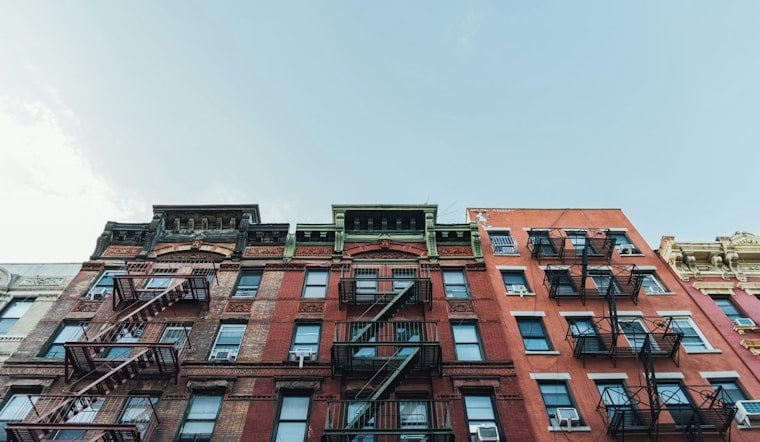
Since New York State's Good Cause Eviction law kicked in across the five boroughs in April 2024, steep rent hikes on market-rate lease renewals have plunged. Tenants and housing advocates are hailing the early numbers as proof the new guardrails are working, while some landlords warn the limits could pinch operating budgets and building upkeep. The emerging data are already fueling the long-running fight over whether tougher rules or a bigger housing supply will do more to tame New York City's rent crisis.
Tenant-reported lease-renewal data analyzed by rental platform Openigloo show that, before the law, about 26 percent of market-rate renewals came with hikes above 10 percent, compared with roughly 9 percent afterward, according to the company's latest NYC summer 2025 rent report. Local outlet PIX11 reported that renewal increases above 20 percent dropped roughly 75 percent citywide after the law took effect.
How the law changed renewal rules
The Good Cause Eviction law took effect on April 20, 2024, and creates a local rent standard that generally treats increases above 5 percent plus inflation, or 10 percent, whichever is lower, as presumptively unreasonable. The rules cover many market-rate apartments in older buildings. They do not apply to rent-stabilized units, co-ops, condos, or apartments in buildings that received a certificate of occupancy on or after January 1, 2009.
For the statutory text and key exemptions, the city's guidance from NYC HPD breaks down who is covered and who is not. The state agency Homes and Community Renewal posts the annual local-rent-standard calculation along with additional instructions on how the law is applied.
Tenants and advocates say it's working
Tenant groups and housing advocates point to the Openigloo figures as early evidence that the law is cooling off the worst renewal sticker shock. "Good Cause Eviction had exactly what it was intended to do, which was to curb these really steep increases," Openigloo CEO Allia Mohamed told Brick Underground.
State lawmakers and tenant organizers say the protections already cover hundreds of thousands of city renters and have encouraged municipalities around New York to adopt similar rules, according to a New York State Senate release. For supporters, the early drop in big hikes is a sign that Good Cause is starting to reset expectations about what counts as a "normal" rent increase in a hot market.
Landlords warn of cost pressures
Owner groups and some individual landlords counter that caps on renewal increases could make it harder to pay for repairs, upgrades, and future projects. The Real Deal reported that developers and trade associations argued the broader state housing package would yield less new construction than earlier incentive programs.
On the small-owner side, landlords told Patch that rising taxes, insurance premiums, and utility costs are already tightening margins. Layering on tighter limits for renewal increases, they say, may leave little room to handle emergencies or long-delayed repairs.
What renters should check
Renters who think Good Cause might apply to their apartment are urged to confirm coverage first. Landlords must disclose whether a unit is covered, and Homes and Community Renewal publishes guidance along with the annual local-rent-standard numbers. Homes and Community Renewal also spells out disclosure requirements and how courts may evaluate whether a particular increase is "unreasonable."
Tools like Openigloo provide building-level indicators that can help tenants compare rent-renewal patterns across properties. If a proposed renewal looks out of line with the Good Cause standard, renters can raise the issue in Housing Court or seek help from tenant-assistance organizations that specialize in advising on the new law.
The Openigloo figures offer only an early snapshot of Good Cause's impact, and both supporters and opponents say it will take more time and data to see how the law affects housing quality and long-term supply. Tenant advocates are already pushing to expand Good Cause protections, while industry voices continue to call for additional construction incentives as their preferred path to easing New York City's affordability crunch.



