

























































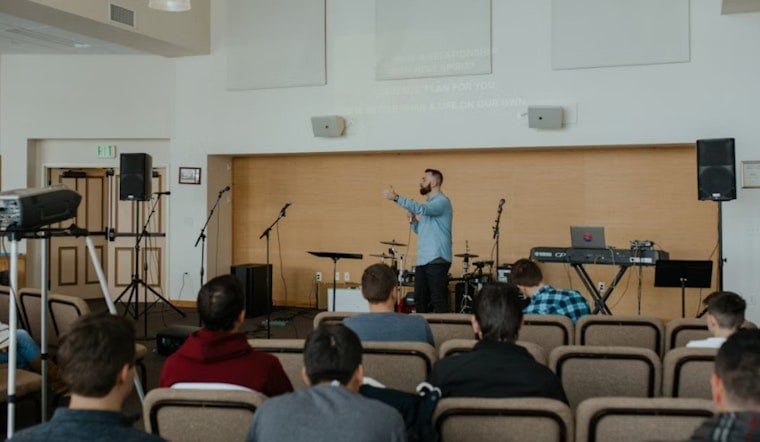
Young American men are suddenly leading the churchgoing charge, at least on paper. A new Gallup poll released this month finds that men ages 18 to 29 now report higher levels of religiosity than women their age, a flip in the usual script that Gallup has not seen in roughly 25 years. In the combined 2024–2025 data, 42% of young men say religion is "very important" in their lives, compared with about 29% of young women. The same survey finds monthly service attendance rising among young men, with much of that growth showing up among Republican-identifying young adults.
According to Gallup, that 42% figure is a sharp jump from 28% in 2022–2023 and brings young men back to religiosity levels not seen since 2000–2001. Gallup researchers Frank Newport and Lydia Saad say the reversal is confined to adults under 30. For older age groups, women still outpace men on religious commitment.
What the Numbers Actually Show
The shift is not just about what people say on a survey. Reported behavior is moving too. Monthly attendance among men ages 18 to 29 has climbed to about 40%, the highest level since 2012–2013. Attendance among young women has increased only slightly over the same period. The Washington Post notes that Gallup relies on different sample bases for its "importance" and attendance questions. That setup means the margin of error for small gender-by-age slices of the data can be relatively large.
Experts Urge Caution On Talk Of A National 'Revival'
Researchers are not quite ready to declare a great American comeback for organized religion. Axios reports that analysts at PRRI and other research centers do see pockets of renewed religious engagement, but they do not see evidence of a broad rebound big enough to erase decades of gradual decline.
Politics Appears To Be Fueling Much Of The Shift
Coverage by the Associated Press and other outlets points to a clear partisan pattern. The surge in religiosity is concentrated among Republican-leaning young adults, while Democratic young people are not showing similar gains. In its write-up, the AP quoted political scientist Ryan Burge describing the gender reversal as "a seismic change in society and the future of the church." Local outlet Denver7 cited scholar Dr. Christy Cobb, who called the pattern a surprising departure from what previous years of data showed.
What Congregations Say They Are Seeing
On the ground, some pastors and campus ministers report a noticeable bump in young male attendance, particularly in Catholic parishes and conservative evangelical churches. Those local increases help explain the news photos of pews that look a little fuller than they did a few years ago. At the same time, The Washington Post and other outlets point out that national surveys from Pew and PRRI still show high levels of religious non-affiliation among Gen Z as a whole.
What To Watch Next
Under the hood, Gallup builds its estimates from combined two-year samples. The 2024–2025 figures on the importance of religion come from about 4,015 respondents, including 295 men and 145 women ages 18 to 29. That produces margins of error of roughly ±7 percentage points for young men and ±10 for young women in that subgroup. According to Gallup, its ongoing monthly tracking will reveal whether this is the start of a lasting realignment or a short-term correction shaped by politics and by the fast-moving social media culture that surrounds young adults.



