

























































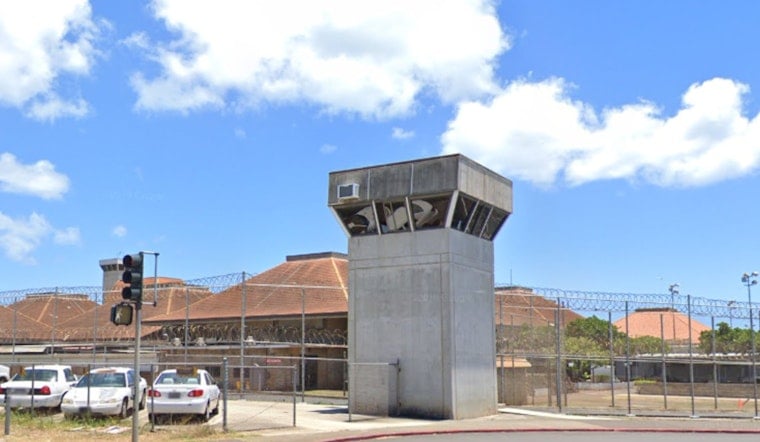
Honolulu lawmakers and local designers are pressing the state to scrap fortress-style plans for the replacement of the Oʻahu Community Correctional Center and instead back a jail that looks and functions more like a rehabilitation campus than a razor-wire compound. The fight is heating up as officials move to replace the century-old Kalihi facility at a state-owned site in Hālawa and as a University of Hawaiʻi design study lays out a very different vision. With construction costs and bed counts competing against demands for treatment and reentry services, the choice will shape how Honolulu handles incarceration for decades.
The University of Hawaiʻi Community Design Center’s 268-page "Breaking Cycles" study calls for natural light, a central green courtyard, dedicated treatment rooms and smaller housing modules in place of guard towers, chain-link fencing and rows of bunked cells, according to the Office of the Governor. Built on more than 120 community talk-story sessions and workshops, the report frames every design decision around rehabilitation and restorative justice. The Department of Corrections and Rehabilitation, or DCR, says it has already folded many of those principles into schematic plans for the Hālawa site, according to the project’s public materials.
DCR Director Tommy Johnson told lawmakers that his team is planning for roughly a 1,000-bed facility to house the more than 900 people currently in custody, and he warned that the price tag has surged. A 2017 estimate of about $537 million has ballooned to more than $900 million, and every month of delay could add an estimated 4 million to 6 million dollars in cost escalation, according to testimony submitted to the Legislature. Department leaders argue that a program-heavy layout, with multipurpose classrooms, treatment rooms and staff wellness areas, could eventually cut overtime, streamline staffing and improve outcomes for people moving through the system.
The current OCCC in Kalihi has been cobbled together in stages over the last century. It was originally designed for about 628 beds but has been reworked to squeeze in roughly 950, a setup that produces chronic crowding at the urban complex, according to state planning documents. State environmental and planning reports also identify the former Animal Quarantine Station parcel in Hālawa as the preferred replacement site. Independent population forecasts prepared for state planners suggest that the average daily jail population could drop into the high 700s by 2032, a projection that complicates decisions about how large to build and how much it will cost to operate the new jail over the long haul.
Advisory Panel Aims To Link Design And Justice Goals
Lawmakers have directed the Hawaiʻi Correctional System Oversight Commission to pull together a 13-member advisory panel that will recommend alternative models for rehabilitation and restorative justice and make sure the Breaking Cycles findings show up in both procurement and operations, as outlined in the legislative resolution. The committee is expected to include cultural organizations, mental-health specialists, corrections officers and community advocacy groups that will weigh in on housing layouts, how programs sit in relation to living spaces and what might happen to the Kalihi site once the jail moves. As reported by the Honolulu Star-Advertiser, the measure cleared the Senate in early April and advanced in the House after hearings, a sign that more lawmakers want to lock construction decisions to restorative-justice goals.
Money, Deadlines And A Public Private Gamble
The state has already funneled tens of millions of dollars into planning, including earlier appropriations and a more recent 30 million dollar allocation to keep procurement and design work moving. An initial 250 million dollar seed request, which was supposed to jump-start construction, was deferred and that decision shifted the agency’s procurement timeline. The Department of Corrections and Rehabilitation has said it is weighing a public-private partnership model in which a private developer would help finalize the design, finance much of the construction and handle major maintenance, while the state would operate the jail and pay the developer back over time, according to project materials. Local reporting has raised questions about transparency and oversight around this kind of financing, and those concerns have moved to the center of the policy debate.
Oversight Sounds Alarm On A "Build Only" Fix
The Hawaiʻi Correctional System Oversight Commission and public-defense advocates are urging state leaders not to treat a new building as a cure-all. In their view, shiny walls without deeper reforms will leave the same old problems in place. Commission reports and testimony stress that construction planning must be paired with data-driven diversion efforts, expanded mental-health and substance-use treatment and clear, measurable outcomes so that a new OCCC does not simply repeat past harms in a more attractive package.
With schematic designs moving ahead and the advisory panel about to convene, the next moves include issuing procurement documents and a fresh legislative review of how to pay for the project. State officials will be trying to balance mounting costs, neighborhood expectations and long-promised reform goals. For residents of both Kalihi and Hālawa, the stakes are close to home. What ultimately rises in place of the century-old jail, and how that facility is programmed and financed, will determine whether the island’s corrections system leans toward warehousing people or toward rehabilitation.



