

























































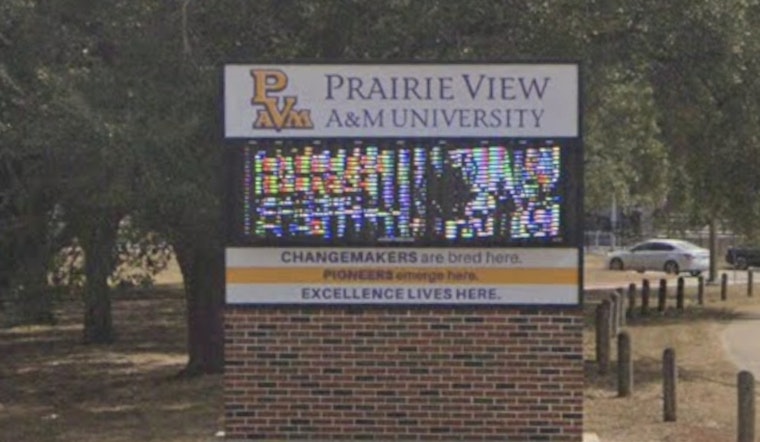
Two Houston-area HBCUs, Prairie View A&M University and Texas Southern University, have jumped into a new 15-school national research coalition this week, aimed at boosting research muscle and pushing more Historically Black colleges toward Carnegie’s top "R1" designation. The Association of HBCU Research Institutions officially kicked off Wednesday, with leaders pledging to share resources, recruit research faculty and chase larger federal grants.
The new group, called the Association of HBCU Research Institutions (AHRI), plans to "increase the number of HBCUs achieving Research One (R1) Carnegie Classification" and to strengthen member schools’ research portfolios, according to AHRI. Its founding lineup pairs Howard University with a collection of R2-classified HBCUs, including Prairie View and Texas Southern, that together account for roughly half of competitively awarded federal research dollars going to HBCUs. AHRI also launched with an inaugural symposium that leaders say will set immediate priorities for cross-campus collaboration.
Prairie View president Tomikia P. LeGrande will serve as vice chair of AHRI’s board, and the university is pitching the coalition as a way to grow research in agriculture, engineering and public health, according to Prairie View A&M University. PVAMU described the coalition as one that "reflects a significant concentration of research strength and doctoral capacity." Texas Southern, already tightly linked to Houston’s hospital systems and industry networks, appears on AHRI’s roster and could lean on those connections for joint proposals and workforce pipelines.
Operationally, AHRI will be supported through a strategic partnership with the Association of American Universities, where its offices will be co-located, and through a three-year, 1 million dollar grant from Harvard’s Harvard & the Legacy of Slavery (H&LS) Initiative, according to North Carolina A&T. Harvard’s Office of the Vice Provost for Research is also set to provide technical assistance geared toward strengthening grant management, research administration and collaborative proposal development across AHRI campuses.
What R1 Means And Why It Matters
R1, officially "Doctoral Universities - Very High Research Activity," is a Carnegie Classification that weighs research expenditures and doctoral degree production, among other metrics, according to the Carnegie Classification. Howard University became the first HBCU to reach R1 status in February 2025, a milestone widely covered by higher education outlets and noted in Howard Magazine. AHRI leaders say getting more member schools over that R1 line would expand graduate training, attract larger federal awards and raise institutional visibility.
Why This Matters For Houston
For Houston, AHRI’s debut plugs Prairie View and Texas Southern into a coordinated national strategy to grow research and doctoral programs. Local coverage has already highlighted what that could look like on the ground: more grant activity and fresh industry partnerships that might bring new labs, additional faculty hires and more paid research gigs for students, according to the Houston Business Journal. Those moves would build on existing ties among area hospitals, engineering firms and public health initiatives that depend heavily on university research capacity.
What’s Next
AHRI has put out a call to government, corporate and philanthropic partners to back its agenda financially and politically, and leaders say the coalition will focus in the near term on shared infrastructure, faculty recruitment and grant-writing support, according to AHRI materials. The organization notes that it was formally incorporated in 2023 and has moved quickly from board planning into public-facing programs. In the short run, AHRI says to look for collaborative grant announcements, pilot partnerships and new investments in doctoral programs across its member campuses.





