

























































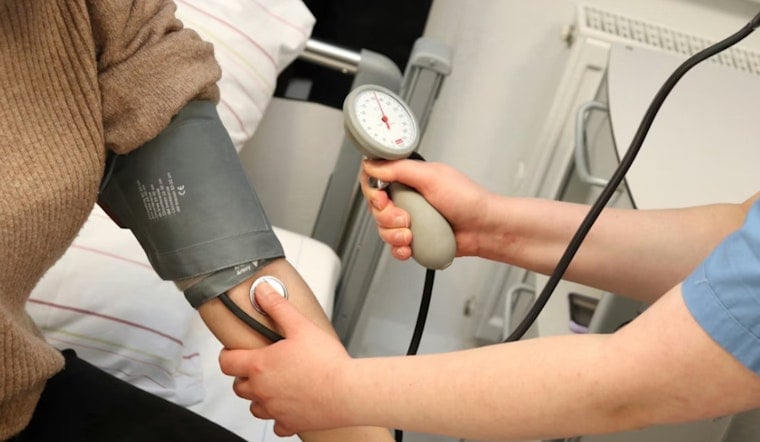
Houston is developing a serious thing for urgent care. A new survey shows city residents are walking into neighborhood clinics more often than the national average, and many say cost, flexible hours and speed are the big draw. That shift is quietly changing where locals go for same-day help with seasonal allergies, rashes and weekend sports injuries.
According to the Houston Chronicle, a 2025 Urgent Care Pulse Check Survey found that 28 percent of Houston households reported visiting an urgent care clinic in the past month, compared with 19 percent of households nationally. Nearly half of Houston respondents said low cost or insurance coverage was the main reason they picked urgent care, and majorities pointed to being seen quickly and having evening or weekend hours available. The report was commissioned by Memorial Hermann-GoHealth and conducted by Wakefield Research, which surveyed 2,000 nationally representative adults along with 100 people in the Houston DMA.
Nationwide Growth Mirrors Houston's Surge
Houston is not alone. A national review from the Health Care Cost Institute found that urgent care spending increased by more than 50 percent from 2018 to 2022, largely because people went more often rather than because prices spiked. The institute reports that urgent care utilization rose roughly 35 percent over that period, suggesting Houston's numbers are part of a broader tilt toward on-demand outpatient care. HCCI also notes that urgent care visits are typically far cheaper than emergency room care, which helps explain why many patients are trading ER waits for a clinic copay.
Hospitals And Chains Are Planting Clinics
Health systems and national operators have been racing to match that demand. Memorial Hermann partnered with GoHealth to reopen and expand urgent care locations across Greater Houston, putting more storefront clinics closer to where people live and work. As Community Impact reported, the collaboration brought multiple Memorial Hermann urgent care centers back online under the GoHealth model. Industry figures from the Urgent Care Association show that the number of U.S. urgent care centers grew from about 11,481 at the end of 2019 to more than 14,000 by 2022, significantly expanding local access to walk-in care.
What Locals Are Coming In For
The survey suggests most reasons for those visits are urgent but not extreme. About 61 percent of Houston respondents said being seen quickly was important, and 41 percent cited seasonal allergies as a recurring problem. The Chronicle also noted that Houstonians tend to be proactive, with more than half saying they would seek treatment at the first sign of illness rather than wait it out. Between active lifestyles, plenty of outdoor time and a clear preference for fast answers, it is not hard to see why waiting rooms at walk-in clinics stay busy on weekdays and weekends alike.
When To Choose Urgent Care And When To Call 911
Urgent care clinics are designed for problems that need attention soon, not immediately life-saving intervention. They typically handle fevers, sprains, minor cuts, basic X-rays and similar issues when a primary care appointment is not available. For anything potentially life-threatening, though, medical professionals and insurers say the emergency department or 911 is still the right call. That includes chest pain, severe trouble breathing, sudden neurologic changes, uncontrolled bleeding or other red flag symptoms, with insurers such as Aetna offering examples of warning signs. For many non-emergencies, urgent care delivers faster access and lower out-of-pocket bills than the ER, a tradeoff that the HCCI analysis indicates is increasingly shaping how patients decide where to go.
Whether it is a tweaked ankle or a sudden spring rash, many Houstonians have decided they would rather be seen quickly, affordably and close to home, and a growing roster of clinics is stepping in to provide it. Urgent care looks set to remain a permanent part of Houston's health care landscape, even as policymakers and providers continue to debate how to better connect those walk-in visits with longer term primary care.





