

























































A routine shipment of lab-bound monkeys from Immokalee turned into a biosecurity nightmare when a live macaque was tossed out with biomedical waste, trucked across the state and discovered days later at a Miami disposal facility. The animal was eventually recovered and taken back to the quarantine compound in Immokalee, then euthanized, and the mishap has now led Florida wildlife officials to file a criminal charge against the president of the primate importing company.
How the Animal Wound Up in Miami
According to a U.S. Department of Agriculture inspection report, BC US received a shipment of roughly 300 long-tailed macaques on Jan. 28. Staff at the Immokalee facility mistakenly treated one wooden shipping crate as empty and placed it into a biomedical-waste container.
The waste bin was hauled away and transported offsite. Days later, on Feb. 2, workers at a Stericycle biomedical-waste facility in Miami opened the crate and discovered a live macaque inside. The monkey briefly escaped inside the plant before employees recaptured it.
The animal was then returned to BC US in Immokalee and later euthanized for bio-containment reasons, according to the USDA inspection report, which was posted online by PETA. Inspectors described the episode as a breakdown in the company’s handling procedures during intake of newly arrived primates.
State Wildlife Officials File Charges
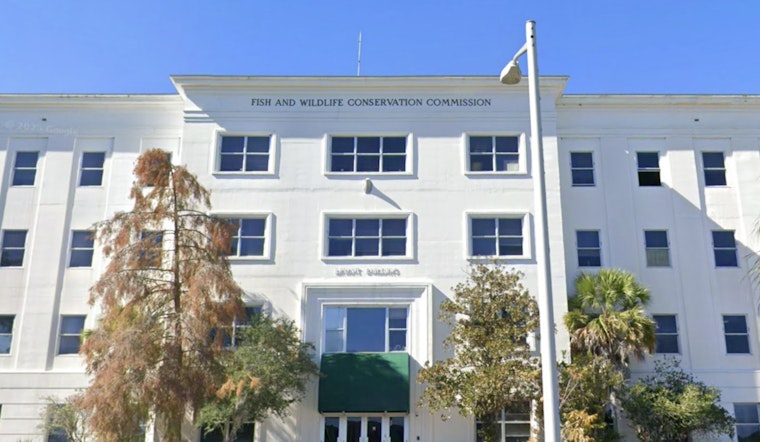
The Florida Fish and Wildlife Conservation Commission has charged BC US president Mark Bushmitz with a second-degree misdemeanor, alleging a violation of state rules that govern the escape of captive wildlife. The offense carries a potential sentence of up to 60 days in jail and or a $500 fine, officials told Axios.
An FWC spokesperson confirmed that the citation was issued and said the agency’s investigation remains active as officers review what went wrong and whether any additional violations occurred.
Company Response and Corrective Steps
BC US has characterized the incident as an “operational failure” and said the macaque was euthanized “out of an abundance of caution” because it could not be returned to a specific-pathogen-free colony after leaving quarantine control.
In a statement posted via EIN Presswire, the company said it had briefed federal agencies, including the CDC and USDA, revised its entry procedures, added verification steps and launched mandatory retraining for staff. BC US said it has begun a corrective-and-preventive-action process and is cooperating with authorities at every level.
PETA and Critics Call for Tougher Oversight
Animal-welfare advocates say the case is more than an embarrassing mistake. They argue that a newly imported primate turning up at a waste plant before completing quarantine shows broader problems in the way research animals are handled at import hubs.
PETA, which obtained a whistleblower account of the incident and filed complaints with state and federal agencies, called the mishandling “a serious biosecurity risk” and urged immediate investigations in its PETA news release. The group also pointed out that criminal charges against a primate importer are believed to be highly unusual, and pressed regulators to treat the case as a warning sign for the entire industry.
Legal and Public-Health Stakes
Under federal regulations and CDC guidance, imported nonhuman primates must be held in CDC-approved quarantine for at least 31 days after arrival so that they can be monitored for zoonotic diseases. In this case, the animal was never properly placed into quarantine, a lapse that, along with its subsequent handling, prompted USDA inspectors to flag the Immokalee facility for handling violations.
Inspection records, as well as local reporting, also describe earlier critical findings at the same site after two macaques were found dead in an overheated room. USDA reports state that corrective measures were implemented in response to those incidents, yet animal advocates now argue that the Miami escape underscores the need for stronger enforcement and a closer review of BC US permits.
What Happens Next
The FWC citation sets in motion a legal and administrative process that could result in fines, permit scrutiny or other penalties, depending on what investigators ultimately conclude about the Immokalee facility’s conduct and compliance history.
Federal agencies had previously documented corrective actions at the site, Axios reported, and BC US maintains that it is fully cooperating with regulators. So far, state and federal officials have not said whether they intend to pursue any additional enforcement beyond the current misdemeanor charge for Bushmitz.





