

























































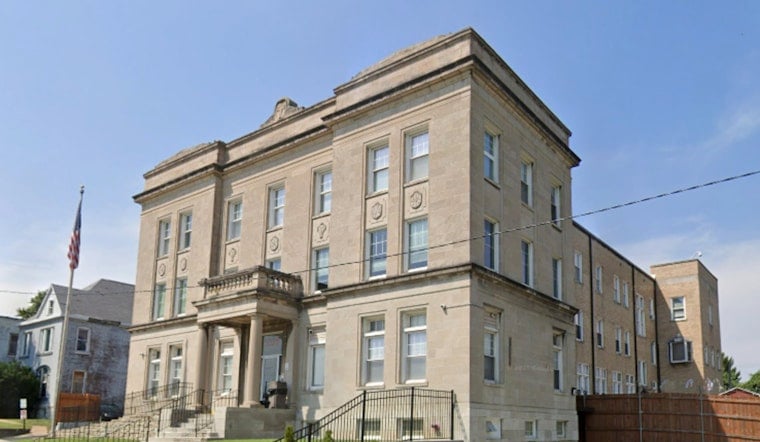
An investigation by First Alert 4, published April 28, found that eight men who were residents at Dismas House, St. Louis’s federal residential reentry center, died between January 2021 and August 2023 from accidental overdoses that involved fentanyl. The deaths, recorded by the St. Louis City Medical Examiner, occurred in communal spaces such as bunkrooms and bathrooms. The reporting has put a spotlight on oversight at a taxpayer-funded halfway house that is still operating under a multi-year federal contract.
Public records and autopsy findings show the men, whose sentences ranged roughly from 2½ to 12 years and who were between 31 and 53 years old, were found unresponsive in shared areas. The city medical examiner ruled the deaths fentanyl or fentanyl-combination overdoses, according to First Alert 4. That reporting also found entries in the Federal Bureau of Prisons in-custody deaths database that list six of the incidents with an "unknown" cause, even as 911 and fire department logs for the facility’s address recorded "Overdose/Poisoning/Ingestion" as the most frequent complaint from 2021 through 2024. The gap between medical examiner findings and BOP records sits at the center of questions about how deaths in federal custody are reported and tracked.
Facility Response and Internal Limits
When reporters showed Dismas House the names of the men and the medical examiner’s conclusions, the facility initially pushed back. Leaders told journalists "you should reconsider the apparent intended focus of your report" and said "there were zero medically confirmed overdose deaths at the RRC according to information provided to Dismas House of St. Louis," according to First Alert 4. The nonprofit’s public materials say it is audited quarterly and evaluated through Contract Performance Assessment Reports, and that it has received "Satisfactory" ratings. The Dismas House of St. Louis website lists the facility’s address and states that the program has served thousands of clients since 2020. Program director John House III told investigators that staff coordinate treatment through outside providers, conduct frequent drug testing and quarterly K-9 sweeps, and do not have the authority to force residents into treatment.
Federal Contract and Oversight Gaps
Federal procurement records show that Dismas House received a 2024 re-award for Residential Reentry Center services with a ceiling of roughly $60.9 million. Contract language in those listings requires contractors to correct deficiencies identified during Bureau of Prisons inspections and warns that failure to do so "could result in adverse contract action," framing the tools federal officials have if inspectors document persistent problems. Procurement databases list contract number 15BRRC24D00000027 and outline delivery orders and obligations tied to that award, and the entries are publicly searchable in federal contracting systems.
Why Reentry Sites Are Vulnerable
Research has found that people leaving incarceration face an elevated risk of overdose because a loss of tolerance, combined with a drug supply dominated by fentanyl, makes drug use more likely to be fatal. Studies focused on corrections report rising drug-involved deaths in jails and call for stronger, coordinated medical and reentry services. Policy groups note that halfway houses are often privately operated and lightly audited, conditions that can keep troubling patterns out of view until investigators piece together records. For broader context, see research published in Health & Justice and analysis from the Prison Policy Initiative.
What Comes Next
The Bureau of Prisons declined to answer detailed questions about whether it reviewed the medical examiner’s findings in these deaths, and the CEO of Dismas House did not make leadership available for on-camera interviews, according to the reporting. Former probation officials and advocates quoted in the investigation are calling for tighter oversight of contract performance and more transparency when people die in federal custody. With contract remediation language already in place, the immediate test is whether federal officials will use those tools to push for changes that could make reentry safer for the men who move through the program and for the community around it.





