

























































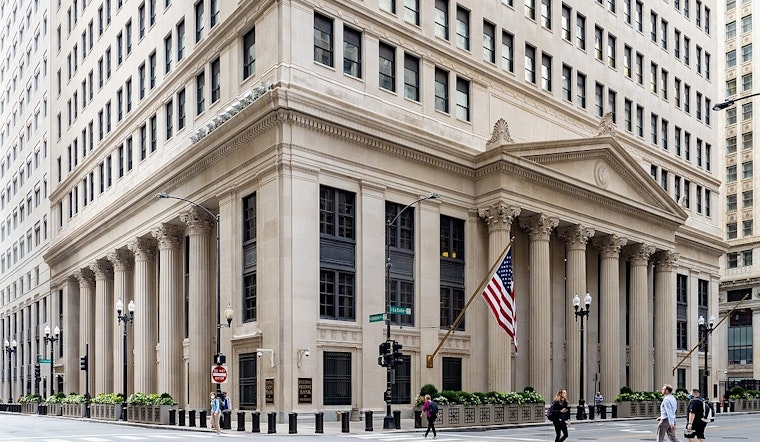
Chicago Fed President Austan Goolsbee is sounding a lot less upbeat about interest-rate cuts, warning Friday that the war in Iran has created an energy shock that could reignite inflation and shove decisions on expected 2026 cuts into 2027. That is a noticeable turn from his earlier stance, when multiple cuts still seemed within reach this year. He pointed to rising fuel costs and a fresh layer of uncertainty that is now clouding the disinflation story markets had been leaning on. For Chicago-area households, that could translate into pricier fill-ups and a longer wait for cheaper borrowing if this shock sticks around.
Goolsbee's warning to markets
Speaking with CBS News, Goolsbee said the new energy shock "complicates that picture" and could start "pushing these decisions off to 2027 at the earliest." He told the outlet that he had previously anticipated multiple cuts in 2026, but the recent jump in oil and fuel prices has him treading more carefully. Goolsbee also stressed that he was offering his own view, not speaking on behalf of the entire Federal Reserve.
Markets are repricing the Fed
Traders are already adjusting. Futures markets have slashed the odds of cuts this year and, in some cases, are even assigning a higher chance of a year-end rate hike, according to Axios. The CME Group's FedWatch tool is sending a similar signal, showing near-certain odds that policymakers will hold rates steady at the April meeting and a sharp pullback in implied cut probabilities for 2026, evidence that investors are staying on the sidelines until they see clearer proof inflation is easing, per the CME Group.
Fed's baseline still leaves room for a cut
The Federal Reserve kept the federal funds target range unchanged at its March meeting, according to the Federal Reserve. Its March Summary of Economic Projections still showed a median path that included one cut in 2026, even as officials highlighted that the outlook had become more uncertain, per the Federal Reserve. The gap between that median forecast and what markets are now pricing helps explain why presidents like Goolsbee are leaning into caution, even if the door to a cut is technically still open.
What Chicagoans might feel
Drivers are already feeling some pain. The national average price for a gallon of regular gas hit $4.09 on April 3, according to AAA. Higher long-term borrowing costs have also pushed mortgage and auto loan rates higher in recent weeks, making big-ticket purchases tougher to swing. On the flip side, the job market has held up reasonably well: payrolls grew by 178,000 in March, according to the Bureau of Labor Statistics. That mix of firm employment and sticky prices gives the Fed a tougher balancing act between inflation and jobs, and it makes cutting rates harder to justify without stronger evidence that inflation is on a solid downward track.
Why this matters locally
We first flagged Goolsbee’s more guarded tone back in February in our earlier piece Fed Chief Throws Cold Water, and his latest comments show how quickly a geopolitical shock can rewrite the script on rate-cut hopes. In the weeks ahead, officials and traders alike will be poring over new inflation reports and labor data to see whether the energy jolt fades or becomes a lingering problem. That verdict will do a lot to determine whether Chicago borrowers see relief in 2026, or if, as Goolsbee now suggests, they are stuck waiting until 2027.





.jpg)