

























































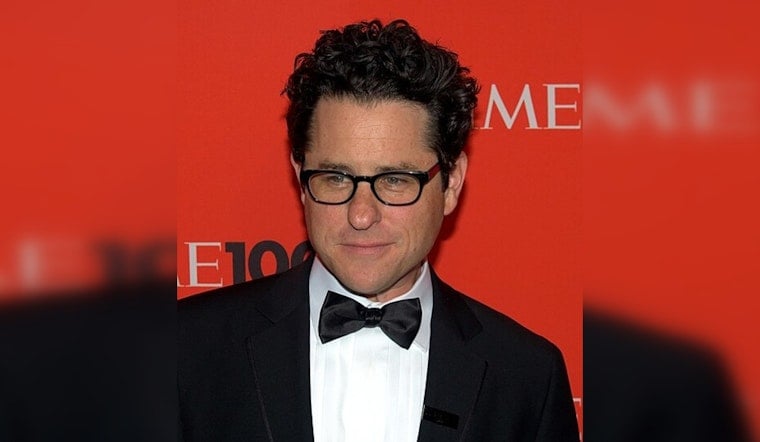
J.J. Abrams’ Bad Robot is quietly dialing back its Los Angeles footprint, closing its longtime Santa Monica office and shifting core operations to New York in a move that lands like another gut punch to Hollywood’s already fragile production economy. The company behind Lost, Star Trek, and a slate of recent streamer dramas will keep developing projects, but from a slimmer, bi-coastal base. For L.A., it is one more high-profile name trimming sails at a time when the local industry can least afford it.
Downsizing Confirmed
As reported by TheWrap, Bad Robot is shuttering its Los Angeles outpost and is expected to move operations to New York, although the company has not said how many staffers will be affected. The move reflects a deliberate pullback, with executives described as leaning more on outside producers and remote workflows instead of maintaining a large, centralized campus on the Westside.
Santa Monica HQ Sold
Property records show Abrams sold the Bad Robot building last year for roughly $31 million, a deal that industry real estate watchers say set the stage for the current downsizing. The Real Deal reported the sale and later identified Teddy Schwarzman’s Black Bear as the buyer. With the fixed Santa Monica headquarters off the books, observers note that the financial logic for keeping a large local staff has weakened considerably.
Smaller Deals, Smaller Footprint
Insiders point to Bad Robot’s reshaped studio relationship as a key factor. The company closed a shorter, non-exclusive first look agreement with Warner Bros. in December 2024, a significant shift from the nine-figure overall pact it previously enjoyed. Deadline reported that the new deal structure slims down guaranteed studio overhead and nudges Bad Robot toward leaner production models that do not require a sprawling L.A. base.
What It Means For L.A.
Local lawmakers and unions warn that the Bad Robot retrenchment will only deepen a wider employment slide. The Los Angeles Times reported that L.A. County shed about 42,000 motion picture jobs between 2022 and 2024, and that FilmL.A. permit activity dropped 13.2% in a recent quarter. Gov. Gavin Newsom signed an expanded $750 million film and TV tax credit last year, but senators at a March hearing told the Times that federal incentives may be needed if California hopes to stop production work from chasing richer deals in other states and overseas.
Bad Robot Diversifies
Even as it trims in Los Angeles, Bad Robot has been busy branching out. Industry reporting notes that Bad Robot Games launched in 2018 with backing from Tencent and Warner, then went on to raise additional funding and secure publishing deals, including a recent partnership with Sony that was highlighted by GameSpot. At the same time, Bad Robot continues to feed the streaming pipeline. Apple confirmed that its legal drama "Presumed Innocent" comes from Bad Robot, and the series has already been renewed for a second season on Apple TV+.
Local Reaction And Next Steps
Union leaders and local producers caution that, tax credits or not, the financial forces pushing shows to other hubs remain stubbornly strong. “We must act, and the urgency could not be greater,” Sen. Adam Schiff told a Burbank gathering earlier this year, according to the Los Angeles Times. For crews, rental houses, and the countless small vendors that depend on shoot days, Bad Robot’s retreat is another warning that California’s comeback hinges on steady, predictable work, not just occasional bursts of subsidy-fueled activity.
Bad Robot did not immediately respond to requests for comment when reports of the shift first surfaced, and company representatives have not laid out a detailed timeline for any New York consolidation, a silence that was noted in coverage of the Santa Monica sale. What is clear is that the sale of the Westside site, combined with the leaner Warner Bros. deal, signals a future in which more studios keep a lighter L.A. footprint. For the many Angelenos who crew, build and staff productions, that means livelihoods will stay unsettled for months to come, as Hollywood figures out how many hometown offices it still thinks it needs.





