

























































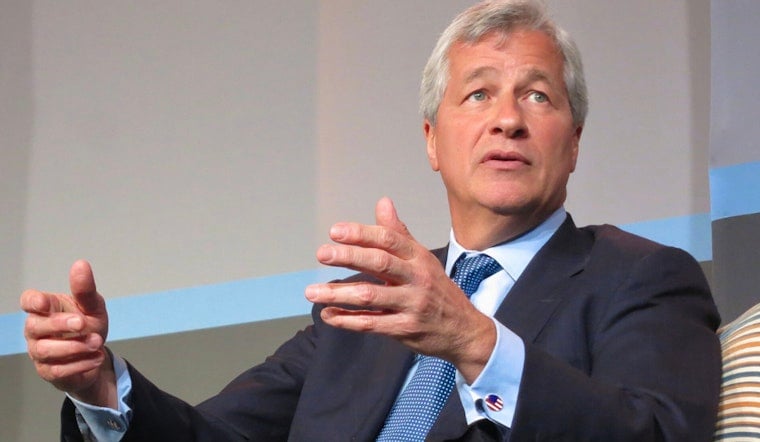
Jamie Dimon just handed global bond investors a fresh reason to lose sleep. The chief executive of JPMorgan Chase warned Tuesday that a volatile mix of surging government debt, energy shocks and murky private-credit lending could ignite a full-blown crisis in bond markets, with a disorderly repricing that punishes borrowers and investors on both sides of the Atlantic.
Dimon delivered his warning in Oslo at Norges Bank Investment Management’s Investment Conference, a gathering of some of the world’s biggest asset managers and bank bosses hosted by Norges Bank Investment Management. He said geopolitics, oil and swelling government deficits are all piling up “in the risk column.” As reported by AOL, he added, “the way it’s going now, there will be some kind of bond crisis.”
Why Dimon Is Sounding the Alarm
Dimon tied the risk to three pressure points that keep getting tighter: massive sovereign borrowing, higher oil prices linked to conflict and a booming, lightly regulated private-credit market. His annual shareholder letter pegs the leveraged private-credit universe at roughly $1.8 trillion and flags weaker underwriting and opaque valuation practices that could turn a downturn into something nastier than many investors expect. The JPMorgan Chase letter sets out that view.
At the same time, U.S. gross public debt has pushed toward the $39 trillion mark, according to the Treasury’s daily “Debt to the Penny” figures, and Washington is rolling out large refunding programs to replace maturing debt. Data from the U.S. Treasury and the department’s quarterly refunding statements show a heavy auction calendar that markets will have to swallow.
What a Bond Crisis Looks Like
When bond markets crack, it usually shows up first as a sudden spike in yields and a vanishing pool of buyers. Prices fall, leveraged players are forced to dump holdings into thin markets and the selloff feeds on itself. Central banks can get dragged in quickly. The Bank of England, for example, had to step into the gilt market in late 2022 with temporary bond purchases to restore some semblance of order, a case study traders still keep close when they think about systemic risk. The intervention is detailed in Bank of England records.
Local Stakes for Wall Street and the City
For Manhattan’s banks, brokers and New York borrowers, a shock in sovereign or corporate bond markets would ripple straight through to everyday costs. Higher yields mean more expensive mortgages, pricier corporate loans and steeper borrowing costs for state and local governments trying to sell municipal bonds.
The Treasury’s quarterly refunding schedules already point to a busy slate of auctions this quarter, which means more supply for traders to digest while they watch oil futures and private-credit redemptions for any hint of stress. Official refunding details from the U.S. Treasury and market coverage such as the reporting captured by AOL are sitting on trading desks as items to watch, not background noise.
Dimon stopped well short of calling for panic, but his message to policymakers was not subtle. If governments ignore their balance sheets, “the market will eventually force their hand,” he said, warning lawmakers as much as investors. For anyone trying to read the tea leaves, that means keeping close tabs on oil prices, Treasury auction tail risk and private-credit fund flows. If those indicators start moving in the same ugly direction, the warning Dimon issued in Oslo could shift from conference soundbite to live market event.





