

























































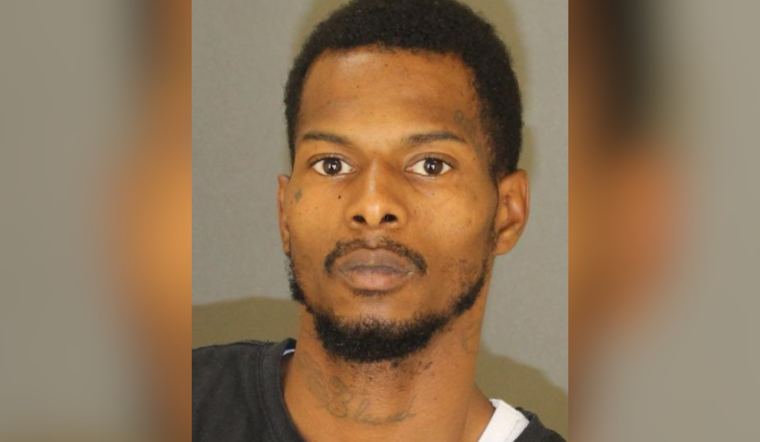
An eyewitness who picked the alleged shooter out of a photo lineup will still be allowed to testify in the Montford Avenue murder case that left 30-year-old Bianca Nelson dead, a Baltimore judge has ruled. After a motion hearing in Baltimore City Circuit Court, the judge refused to suppress the identification, keeping what could be one of the prosecution’s most damaging pieces of evidence in play. Defense attorneys had argued the lineup was unfairly suggestive.
Police account and charges
According to the Baltimore Police Department, detectives arrested 29-year-old Dakwane Cole on Nov. 25, 2024, and charged him with first-degree murder and attempted murder in the Nov. 6 shooting. Police say officers responded to a ShotSpotter alert and later took Cole into custody in the 1800 block of North Montford Avenue. Nelson, 30, died from her injuries.
What happened in court
At the April 28 motion hearing, defense attorney Natalie Finegar zeroed in on how a Spanish-speaking witness identified Cole. She argued that the circumstances around the identification were unfair and that the result should be tossed out.
Testimony reviewed by reporters described detectives using a "folder shuffle" photo array. The witness ultimately picked out Cole, reportedly keying in on a distinctive teardrop-shaped tattoo under his eye.
Prosecutors countered that the lineup was properly handled. They told the court that a qualified interpreter had been arranged for the witness and that investigators did not know who the suspect was when they administered the array. The judge sided with the state and denied the suppression motion.
Court filings also indicate officers recovered a plastic bottle with a lid and straw at a crime scene and lifted latent fingerprints that produced a likely match to Cole, as detailed by Baltimore Witness.
Why eyewitness ID matters
Eyewitness identifications may sound persuasive to jurors, but they are notoriously prone to error. Organizations that scrutinize wrongful convictions say mistaken identifications have played a major role in many people being cleared after the fact.
For that reason, groups like the Innocence Project and national research panels recommend safeguards such as blind or blinded lineup procedures, detailed documentation, and recorded confidence statements. The goal is to cut down on the risk of suggestive practices influencing a witness, according to the National Academies.
What's next
Cole is scheduled to return to Baltimore City Circuit Court for a pre-trial conference on Aug. 17 before Judge Melissa K. Copeland, according to Baltimore Witness. Defense attorneys have signaled they will keep challenging the prosecution’s evidence as the case moves toward trial.
For now, the judge’s ruling keeps both the eyewitness identification and the cited forensic leads available to jurors if the case reaches trial. The hearing served as a reminder that seemingly technical fights over photo arrays and procedures can carry serious weight in major felony prosecutions.





