

























































The Urban League of Metropolitan St. Louis has rolled out its new "King Rising" effort onto Dr. Martin Luther King Drive, taking the fight to the sidewalk with hot meals, naloxone, and on-site health screenings for people caught in the city’s growing fentanyl crisis. Organizers say the goal is to pull people into longer-term recovery and cut overdose deaths without leaning on arrests, a direct response to months of outrage over an aggressive open-air drug market along the MLK Drive corridor and reports of overdoses and unsafe fentanyl exposure in nearby homes.
What King Rising Does on MLK Drive
According to FOX2, volunteers and partner groups set up regular stations along MLK Drive where they hand out Narcan, serve hot meals, conduct basic health screenings, and connect people to mental health referrals and longer-term treatment options. The Urban League says more than two dozen partners are already in the mix, from housing providers to treatment and harm-reduction organizations. James Clark told the outlet that children as young as 14 are walking through neighborhoods under the influence of fentanyl, a reality that organizers say makes it impossible to wait for people to come to a clinic or office.
Fentanyl’s Threat and Why Narcan Matters
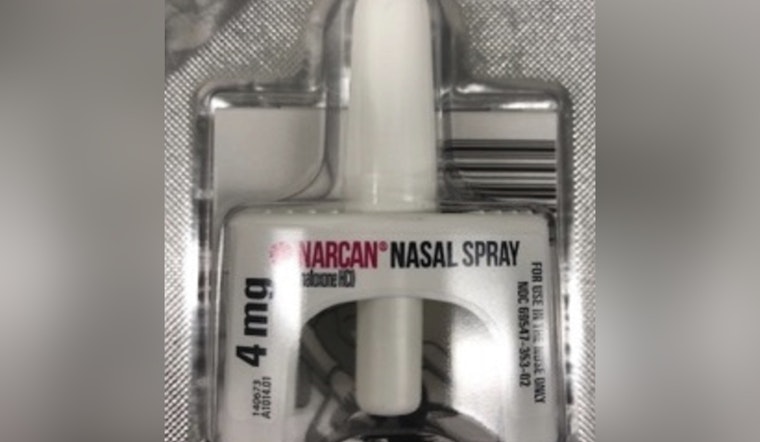
The CDC notes that fentanyl is so potent that even very small amounts can be deadly, which is why overdose reversal is front and center for King Rising. Teams on MLK Drive are giving out naloxone, commonly known as Narcan, and training residents to use it so an overdose can be reversed before an ambulance arrives. Public health workers say that kind of immediate response can keep people alive long enough to consider treatment and recovery support.
Neighbors and Organizers Describe Urgency
Residents and outreach leaders told FOX2 that King Rising is stepping in where services have been scarce, helping everyone from people actively trying to quit to those just hoping to get through the day without overdosing. Clennon Prince said many of the people showing up are looking for a way to stop using and that the program connects them to real, concrete help. The outlet also reported that neighbors have already used Narcan to reverse overdoses before first responders could reach the scene, a sign that the training and supplies are having an immediate impact. Investigators in St. Louis County recently charged a mother with endangering a child after fentanyl found in her home left a child unresponsive, a case organizers point to as proof that outreach and prevention cannot stay confined to clinics and courtrooms.
Organizers describe King Rising as a front-line harm reduction effort intended to cut deaths right now, build trust in the community, and guide people toward sustained treatment over time. Whether it can slow the larger open-air drug market remains an open question, but local leaders say it is one of the few practical tools they have in a patchwork response to an increasingly dangerous drug supply.





