

























































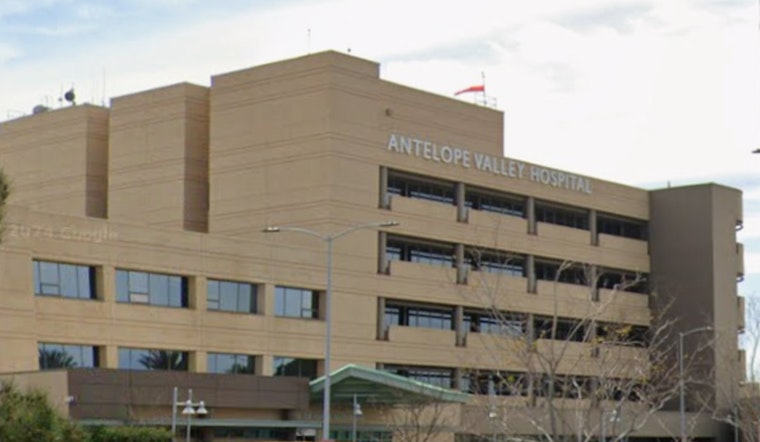
Antelope Valley Medical Center is trying to haul a racial-discrimination case out of downtown Los Angeles and back to its own backyard in Lancaster, arguing that the whole dispute is rooted in the Antelope Valley. On April 3, the hospital's attorneys asked a Los Angeles judge to transfer the lawsuit to the Michael Antonovich Antelope Valley Courthouse in Lancaster. A hearing on that request is set for April 30, 2026. The complaint was filed by three former behavioral-health employees and one current staffer who say they were targets of racially harassing and retaliatory conduct while working in AVMC's behavioral health unit. If the judge signs off, all pretrial wrangling and any eventual trial would play out much closer to the hospital and most of the witnesses.
In court papers filed April 3 and cited by MyNewsLA, AVMC's legal team told the Stanley Mosk Courthouse that the case belongs where the hospital is based. The motion notes that the suit was lodged at the downtown courthouse on Aug. 20, 2025, then asks that it be shifted because the plaintiffs worked at AVMC and most of the witnesses live in Lancaster. The filing sets the transfer motion for hearing on April 30, 2026, before Judge Cherol J. Nellon. Her assignment to Department 14 is reflected in the Los Angeles Superior Court online courtroom information.
Hospital and courthouse
The Antelope Valley Medical Center website lists its main campus at 1600 West Avenue J in Lancaster, which is the location where the plaintiffs say the alleged conduct took place. The Michael Antonovich Antelope Valley Courthouse, at 42011 4th Street West in Lancaster, is listed by the county as handling civil matters for the region. In its April filing, the hospital asked that the case be moved to that courthouse as the requested relief.
What plaintiffs allege
The lawsuit, first filed in August 2025, names plaintiffs David Angoma, Jeanne Muhirwa, Charlene Lepe and Zipporah Wilson. They contend they were subjected to what they call "blatant, offensive, harassing and discriminatory" behavior because they are Black. As reported by MyNewsLA, the complaint recounts comments such as a supervisor telling one employee her hair "took a lot of grease" to style, asking a nurse if she liked "Black music," and asking another worker, "How long have you been in this country?" The plaintiffs say those incidents were tied to denied promotions, retaliatory job moves and, for one of them, termination, and they are seeking unspecified damages.
Legal pathway
AVMC's attorneys are asking the court to use its discretion under California's venue rules to change the place of trial where it would be more convenient for witnesses and serve the interests of justice. Judges look at those requests under the state's place-of-trial provisions in the Code of Civil Procedure, which allow a case to be moved when the key facts and witnesses are concentrated somewhere else. Employment-discrimination actions of this type are typically brought under the Fair Employment and Housing Act and fall within the enforcement authority of the state Civil Rights Department, which sets out the remedies and administrative framework for harassment and retaliation claims.
Why it matters locally
AVMC is promoted as the region's only full-service acute-care hospital, and disputes about staffing and working conditions in its behavioral health unit can have ripple effects for patient care and public confidence. When the main hospital in the Antelope Valley is accused of racially biased treatment of its own employees, it naturally turns into a hometown issue. The judge's call on venue will decide where witnesses testify and how easy it is for local staff and community members to appear in court.
The April 30 hearing will determine whether the case stays at the downtown Los Angeles courthouse or is shifted to Lancaster, which would alter travel demands, scheduling logistics and where discovery and other pretrial proceedings are handled. If the court grants a transfer under the venue statutes, the docket would move to the Antonovich Antelope Valley Courthouse and future motions and trial dates would be set there. Both sides can still file additional declarations or briefing ahead of the hearing to bolster their positions on where the case should be heard.





