

























































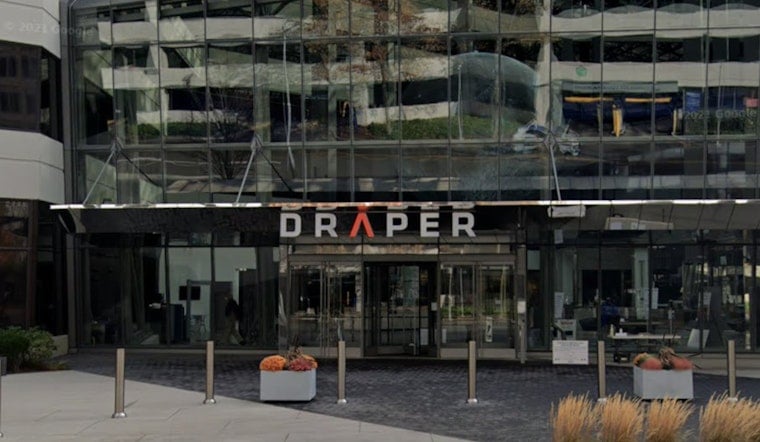
Lowell is getting a new player in the high-tech big leagues, as Draper has secured local approvals for a roughly $100 million microelectronics production and advanced chip-technology facility tied to UMass Lowell’s East Campus. The project is expected to bring about 150 new high-skilled jobs to the city and is being billed by university and city officials as an early anchor for a wider campus and downtown buildout known as LINC.
As reported by Boston Business Journal, Draper recently locked in control of land in Lowell and is moving ahead with site planning. The outlet pegged the investment at roughly $100 million and noted that the company is working with UMass Lowell and city leaders on how the facility will be staffed and where it will sit on or near campus. The article was reported by Stephen MacLeod.
What Draper plans
In a press release, Draper dubbed the project the Integrated Microelectronics Production & Advanced Chip Technology (IMPACT) Center and described it as a roughly 75,000-square-foot facility for microelectronic design, production and packaging. The organization said the center "will create more than 150 new highly skilled, classified national security jobs" and that the nonprofit plans to provide up to $10 million in programming, research and educational resources to UMass Lowell, per Draper. The announcement pitches the facility as a way to boost secure, on-shore microelectronics capacity in the region.
How it fits into LINC
UMass Lowell describes LINC, short for the Lowell Innovation Network Corridor, as an $800 million-plus public-private development aimed at adding more than a million square feet of lab and office space, hundreds of housing units and thousands of jobs. The university and private partners have cast LINC as a potential economic engine for downtown Lowell, with Draper highlighted as an early anchor tenant. The IMPACT Center is intended to plug hard production capacity into that broader research-and-development ecosystem.
State backing and local reaction
The Healey administration has pledged up to $25 million in state and local funding to support the IMPACT Center as part of a statewide push to grow microelectronics and chip manufacturing, according to Mass.gov. Local officials have welcomed the commitment, but earlier reporting on LINC has also surfaced doubts about who ultimately benefits from large-scale development and whether housing construction can keep up with new jobs, as WGBH noted.
Jobs, training and next steps
Roles tied to the IMPACT Center are expected to range from production technicians and packaging specialists to engineers with advanced degrees, and Draper and UMass Lowell are planning scholarships, co-ops and internships to build a local talent pipeline. Draper officially opened its UMass Lowell campus in 2025 and says it is now shifting from planning into permitting and construction; the company has not released a public timeline for groundbreaking or large-scale hiring, per Draper. Permits, incentive approvals and contractor selection are the next key steps.
For Lowell, the IMPACT Center is both a major industrial bet and a test of whether LINC’s promises on jobs, research partnerships and housing actually show up on the ground. City and university leaders are touting the project as a significant win, while residents and advocates are likely to keep an eye on hiring outcomes and the pace of new housing. The Boston Business Journal first reported Draper’s approval and land deal in its March 31 coverage.


