

























































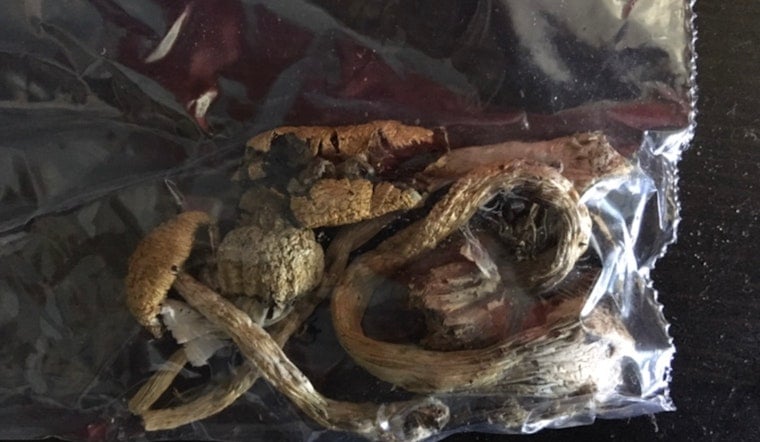
A Manhattan lawmaker is taking New York's drug debate into trippy new territory just as the White House tells federal agencies to speed up work on psychedelic therapies. Assemblymember Linda Rosenthal has revived a bill in Albany that would shield adults who use plant and fungus psychedelics from criminal penalties and build out legal protections and supervision for therapeutic use. Veterans and advocates say psychedelics could help people with stubborn PTSD that has not responded to other treatments, while clinicians warn that these substances are far from risk‑free.
As reported by Spectrum News, Rosenthal's proposal would decriminalize adult possession and use of certain natural psychedelics and create legal protections for people using them in therapeutic settings. Spectrum's Nicole Neuman notes the measure is sitting in committee for now and has drawn what she calls a "mixed bag" of reactions from fellow lawmakers.
Federal Push Changes the Backdrop
In mid‑April the White House issued an executive order telling the Department of Health and Human Services, the Food and Drug Administration and other agencies to move faster on research, approvals and patient access for investigational psychedelic therapies. The FDA said it will "accelerate action" on treatments for serious mental illness and look at tools such as expedited review and expanded Right‑to‑Try access for eligible patients, according to the FDA.
Veterans and the Numbers Behind the Urgency
The Department of Veterans Affairs' 2025 annual report shows 6,398 veterans died by suicide in 2023, which is 44 fewer deaths than in 2022, according to the VA. The New York Health Foundation reports that the state's veteran suicide rate climbed to 24.9 per 100,000 in 2023, a 25.8% jump from the previous year, underscoring why some advocates are pushing for new treatment options, per NYHealth. Supporters say psychedelics, under tightly controlled conditions, could be one more tool for treatment‑resistant cases; critics respond that the evidence and safety protocols need to come first.
Safety Concerns and Limits
Advocates and public‑health officials are quick to note that psychedelics are not a single, uniform category, and some compounds carry significant medical risks. Derek Coy, a senior program officer at the New York Health Foundation, told Spectrum News that many veterans are actively looking for alternatives to conventional medications but warned that treatments like ibogaine "could be very dangerous" for people with cardiac issues. Clinicians and researchers say any move toward wider access has to include rigorous screening, medical supervision and long‑term follow up.
How the New York Bill Would Work, and the Legal Questions
The bill text posted on the New York State Assembly website shows that the measure would carve out a category of "natural plant or fungus‑based hallucinogens" from the state's controlled substances laws and that it was prefiled and referred to the Health Committee in January, according to the New York State Assembly. UC Berkeley's Center for the Science of Psychedelics has mapped A00114 alongside other state efforts aimed at research and regulated access, placing it within a broader, slowly building policy shift on psychedelics.
Even if New York relaxes its own laws, federal drug scheduling and interstate controls would still apply. Legal observers note that the White House order may speed up review and research but does not immediately remove federal criminal exposure for unregulated distribution, as explained by Orrick.
What Happens Next
Rosenthal's proposal remains in committee and will need a Senate sponsor and broader legislative support before it has any shot at becoming law. The White House executive order, together with reporting that the administration has asked agencies to move faster on reviews and explore patient access pathways, may increase pressure on state lawmakers to spell out guardrails or pilot programs, according to AP News. Expect hearings, expert testimony and a tug‑of‑war among veterans' groups, clinicians and safety advocates as Albany decides whether, and how far, to rewrite pieces of state drug law.





