

























































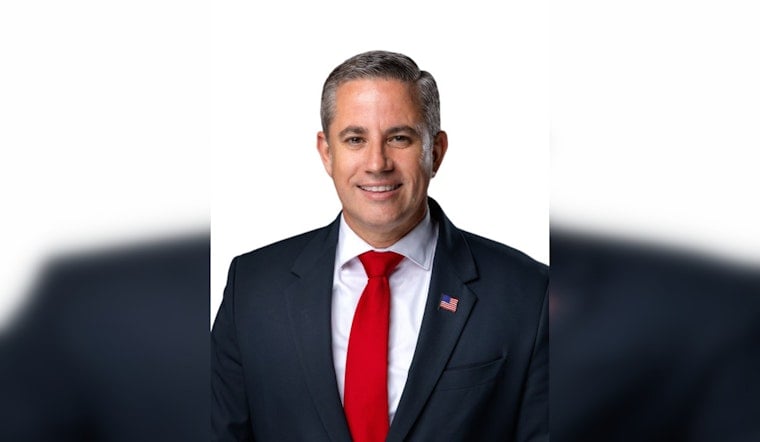
Miami-Dade Tax Collector Dariel Fernandez has moved up the county’s payday, advancing $20 million to Miami-Dade County a full six months ahead of schedule in a bid to soften cuts and proposed fee hikes in this year’s tight budget cycle. Announced Tuesday, the early transfer, made even though there is no statutory requirement to send the money sooner, is aimed at covering near-term needs such as eliminating parking fees at county parks, restoring lifeguards and repairing neighborhood roads. Fernandez said the move stems from internal operational savings his office identified and an effort to give county leaders quick flexibility. Once the transfer is complete, commissioners will decide how the funds are ultimately allocated.
The Tax Collector’s Office says internal reforms and efficiency measures generated more than $13.5 million in savings, setting the stage for the $20 million advance. As outlined by the Miami-Dade County Office of the Tax Collector, the money is being returned six months ahead of schedule to provide immediate fiscal relief during a critical budget cycle. The office has framed the step as a one-time, responsible acceleration of funds rather than a standing change in policy.
What the $20 million will cover
According to Fernandez’s office and a county news release, the advance is expected to cover several headline items: eliminating parking fees at county parks, reducing the impact of a proposed gas tax increase and proposed fee hikes to Special Transportation Services, restoring lifeguard staffing and investing in neighborhood road repairs. Those details were laid out in an April 21 post by the Tax Collector that was republished by Miami's Community Newspapers. The Tax Collector said he worked with Commission Chair Anthony Rodriguez on a one-time exception that allowed the office to phase the return sooner than typical timelines would permit.
Legal and budget context
Under state law, the Tax Collector operates as a fee officer and is authorized to retain a portion of collected fees to fund office operations, which gives the office discretion over retained revenues. Per the county’s FY 2025–26 proposed budget document, that structure lets an elected Tax Collector decide how much to keep and when to return surplus funds to taxing authorities (Miami-Dade County). Fernandez’s team has presented the early transfer, along with instances where the office declined to keep fees it was entitled to retain, as fiscal stewardship designed to ease pressure on core services in a strained budget year.
Fernandez has emphasized that once the money is transferred, it is county leadership, not the Tax Collector’s Office, that will decide how every dollar is spent, a point his office reiterated in its April post. That means the Board of County Commissioners and the mayor will determine which parks, lifeguard programs and specific road projects receive funding during upcoming budget deliberations. Fernandez has encouraged residents to follow the public budget process and to weigh in at hearings where those spending decisions will be finalized.
“Our responsibility is not only to collect revenues but to safeguard the public trust,” Fernandez said in his statement, as outlined by the Miami-Dade County Office of the Tax Collector. The announcement follows a broader push this year by the Tax Collector’s Office to modernize services and return savings to residents. County budget panels will now fold the early transfer into final spending plans for the fiscal year.





