

























































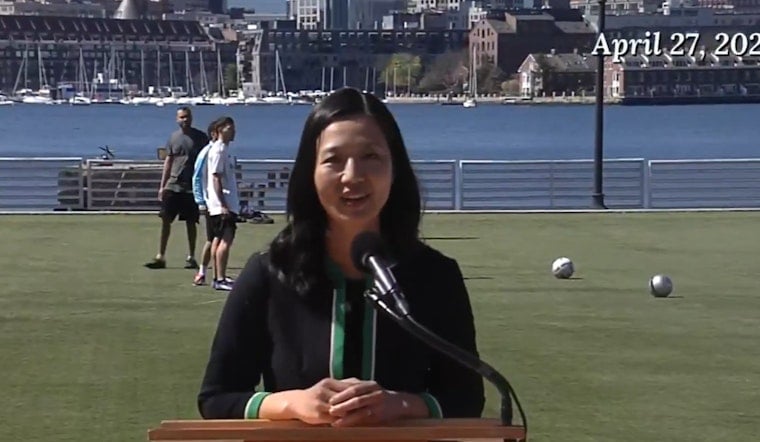
Mayor Michelle Wu is putting Boston on a tight climate clock. On Monday, she rolled out a five-year climate roadmap that aims to slash the city’s greenhouse gas emissions by 50 percent by 2030 and reach carbon neutrality by 2050. Speaking at LoPresti Park in East Boston, Wu said the plan zeroes in on rapid cuts from buildings, transportation and the energy sector, while pairing those efforts with resilience projects and neighborhood-level investments. City officials are casting the next five years as an all-business implementation window to turn long-standing targets into shovel-ready projects, new programs and concrete metrics.
What the plan promises
Boston’s 2030 Climate Action Plan ties together emissions cuts, climate resilience and a new Climate Justice Framework that puts front-line communities at the center of the work. According to Boston.gov, the draft sets a goal of a 50 percent reduction in communitywide greenhouse gas emissions by 2030 and lays out a path to reach 100 percent, or carbon neutrality, by 2050, with municipal operations expected to move even faster. The document also leans on resilience upgrades, calling out coastal flood protection, an expanded tree canopy and more green space to help handle stormwater and extreme heat.
Targets for buildings and transit
The draft takes direct aim at buildings, which are responsible for the bulk of Boston’s emissions, and calls for deep near-term cuts powered by policies such as BERDO to push properties away from fossil fuels. As reported by The Boston Globe, the city is counting on steeper reductions from municipal buildings and acknowledges that even full follow-through on existing state and city programs would still leave a gap to the 50 percent target without additional action. On the transportation side, the plan leans into shifting trips to buses, walking and biking, while accelerating the switch to electric passenger and heavy-duty vehicles.
Wu’s pitch and the local reaction
At LoPresti Park, Wu framed the climate push as a health and equity issue as much as an environmental one, telling the crowd that “climate action is, in fact, safety and health, opportunity and belonging,” in remarks covered by local outlets. As reported by WCVB, she spotlighted buses, walking and biking and pressed for more renewable energy for the city, while acknowledging that changes such as bike lanes have drawn political heat in the past. City leaders say the plan grew out of community input and will be carried out in partnership with residents, major institutions and labor groups.
How the city says it will deliver
The administration is treating 2026 to 2030 as a delivery phase that will require clear funding streams, new programs and hard-edged accountability metrics. Per Boston.gov, the second draft is now out for public comment, with a final Climate Action Plan expected in spring 2026 and annual indicators planned to track emissions, resilience and equity outcomes. Officials say they intend to lean on grants, public–private partnerships and workforce programs to ramp up building electrification, renewable energy projects and coastal protections.
Why meeting the targets will be hard
Independent analyses have already warned that Boston is not on a smooth glide path to its climate goals without a major acceleration in electrification and regional renewable energy development. The Boston Foundation’s inaugural Boston Climate Progress Report, prepared by Northeastern’s Dukakis Center in 2022, concluded the city would miss its targets without four “big lift” system changes, including faster building electrification and streamlined regional permitting. Local coverage and experts have continued to flag permitting headaches, funding gaps and the need for tighter state-level coordination as major obstacles, all issues the city says this new plan is designed to confront head-on.





