

























































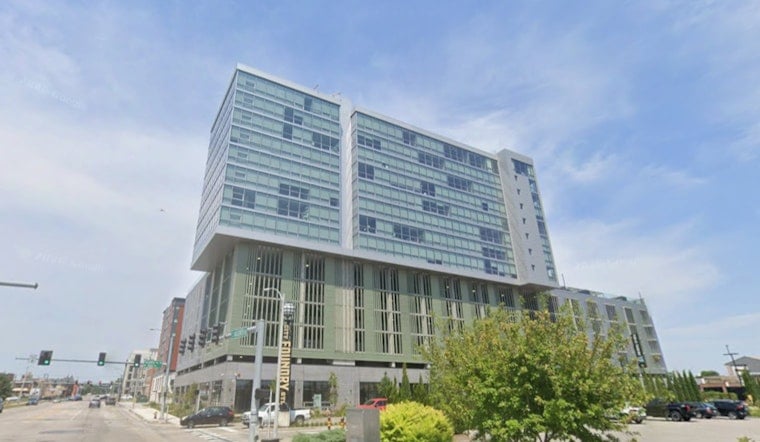
As the sleek new One Foundry Way high-rise begins welcoming tenants and retailers in Midtown St. Louis, some of the workers who helped build it are heading somewhere far less glamorous: federal court.
A group of construction workers who labored on One Foundry Way, the 14-story apartment tower at City Foundry in Midtown, have asked a judge to let their wage case move forward as a class action, alleging they were underpaid for their work on the project. If the case is certified as a class, other workers with similar claims could join in, potentially increasing the size of any recovery or settlement tied to the nearly finished development.
The timing is not lost on anyone watching the project. The request for class-action status lands just as the high-profile tower opens its doors to residents and ground-floor shops, ensuring that the dispute over pay will share the spotlight with ribbon cuttings and marketing campaigns.
One Foundry Way is a roughly $96 million mixed-use building with about 270 residential units and street-level retail, part of the broader City Foundry campus in Midtown, according to local reporting and the building's own materials. The project includes a multilevel garage and new retail tenants aimed at boosting foot traffic in the neighborhood, as noted by Spectrum News and the property’s website. Thanks to its size and visibility, the tower has become a handy reference point in ongoing debates about Midtown construction jobs, pay practices, and who is really benefitting from all this new development.
Workers Seek Class-Action Status
According to a March 31, 2026 report in the St. Louis Business Journal, the workers have filed a proposed class action claiming they were underpaid for their labor on One Foundry Way. The filing asks the court to certify a class that would include other laborers who did similar work on the project and say they were shorted wages.
The complaint is now part of the public record. A judge will decide whether the lawsuit qualifies to proceed as a class action, a threshold decision that can dramatically change the scale and stakes of the case.
How Class Certification Works
Class certification is not automatic. Courts weigh several requirements, including numerosity, commonality, typicality, and adequacy of representation. These criteria are laid out for federal cases under Federal Rule of Civil Procedure 23.
A certification ruling decides whether many individual claims are bundled together or proceed one by one. That choice can shape just about everything that follows, from how broad discovery will be to how settlement talks are structured and what kinds of remedies might end up on the table. To win class status, the workers will have to convince the court that shared questions of law or fact outweigh any individual differences among them.
Local Context
St. Louis is no stranger to large-scale litigation. In recent years, a federal court preliminarily approved a $4 million settlement over conditions at the city’s former Workhouse jail, in a case brought by ArchCity Defenders. According to ArchCity Defenders, that deal showed how sweeping, community-wide claims can be litigated and resolved here.
Against that backdrop, the certification decision in the One Foundry Way case is likely to be closely watched not only by construction workers, but also by lawyers and developers tracking how courts handle wage and labor disputes tied to marquee projects.
From here, the pace is set by the court. After a class-certification motion is filed and served, judges typically establish a schedule for briefing, discovery, and hearings. As that calendar takes shape, filings and any public responses from the developers, contractors, or attorneys named in the case will provide the next clues about where this Midtown pay fight is headed.




