

























































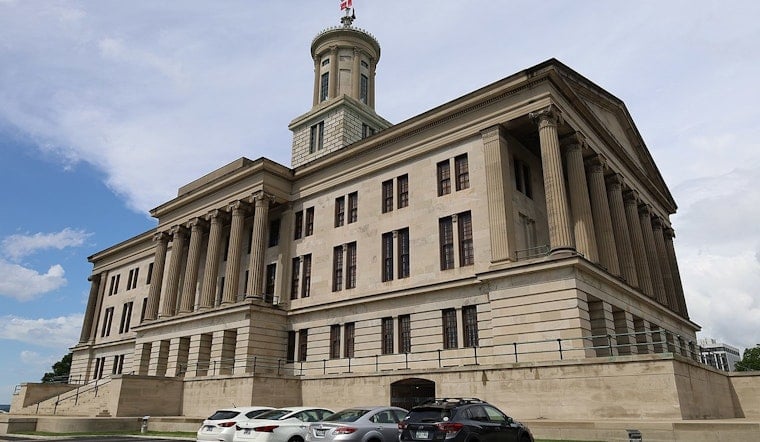
In a bruising setback for Music City, Tennessee’s plan to bankroll a statewide live-music grant program with a fee on resale tickets fell apart this month when House lawmakers blocked the key funding measure. The defeat leaves the Tennessee Live Music Fund, created last year to support independent venues, promoters, and performers, scrambling for cash and now looking to private donors and foundations to fill the gap.
The House Finance, Ways and Means Committee voted 11-15 on April 16 to defeat the Tennessee Live Music Support Act, according to Radio 88.8. The Nashville Business Journal later reported that organizers are pivoting to private-sector and philanthropic partners to seed a pilot within the Live Music Fund.
The measure, filed this session as HB2135/SB2456, would have levied a five percent “live music support” charge on the sales price of tickets sold at retail through third-party resale platforms, with proceeds deposited into the Live Music and Performance Venue Fund, per the bill’s summary and fiscal note. The proposal also would have required third-party resellers to register with the Department of Revenue, with noncompliance subject to penalties and interest. Details are available in the bill text and fiscal analysis on the legislature’s website, via the Tennessee General Assembly.
The Live Music Fund was signed into law on July 1, 2024, and is administered by the Tennessee Entertainment Commission, according to Music Venue Alliance Nashville MVAN. MVAN advocates have argued the program would need roughly $16.5 million in its first year to make a real dent in venue and artist needs, an estimate detailed by Axios Nashville. Backers had pitched the 5 percent assessment as a practical way to seed a $2 million pilot to support independent stages, a key piece of the plan reported by the Nashville Business Journal.
Industry groups and club owners blasted the committee vote. National Independent Venue Association executive director Stephen Parker called the outcome “deeply disappointing” and said third-party resellers “extract revenue from local music economies without reinvesting in them,” according to Radio 88.8. Music Venue Alliance Nashville has warned that the decision will prolong a funding squeeze for small stages and the workers who rely on them.
Private partners already in place
The Tennessee Entertainment Commission has already begun working with private funders. In April 2025, the commission announced a multi-year partnership with the Levitt Foundation to deliver matching grants and free concert programming across the state, according to the Tennessee Entertainment Commission. Industry and advocacy groups say similar public-private deals could be scaled to support the Live Music Fund while policymakers consider other revenue options, a possibility highlighted by MVAN.
What the fee would have bought
The state’s fiscal analysis estimated the proposed 5 percent assessment would generate roughly $1.08 million a year for the Live Music and Performance Venue Fund beginning in FY27-28, money intended to support grants and capital upgrades for small venues and promoters, according to the Fiscal Review Committee. Backers argued that recurring revenue of that kind would create a predictable funding stream for long-term grants, not just one-time relief.
With the legislative path blocked for now, advocates say the next phase will be fundraising: a mix of philanthropy, corporate partnerships, and continued pressure on lawmakers to appropriate dollars in future budgets, according to Axios Nashville. For the moment, independent clubs in Nashville and across Tennessee are watching to see whether private gifts and matching programs can pick up the slack until a political opening appears.





