

























































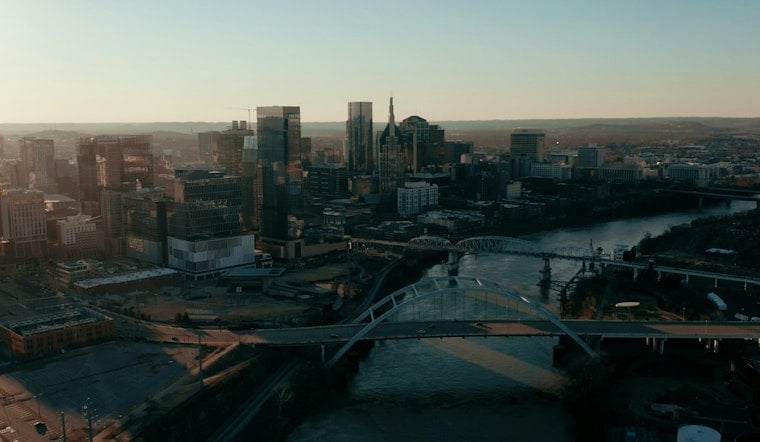
Earth Day delivered a harsh wake-up call for Nashville. The metro area just failed the American Lung Association's latest smog test, earning an F for ground-level ozone and landing as the 66th worst metro in the country. That failing grade means local kids and outdoor workers face higher risks of breathing problems on high-ozone days, even as the region quietly scored top marks for some other forms of pollution.
According to the American Lung Association, the 27th annual State of the Air report analyzed monitoring data from 2022 to 2024 and found that the Nashville–Davidson–Murfreesboro metro's worst-performing county averaged four unhealthy ozone days per year. That level was enough to trigger the F grade and the 66th worst national ranking. The group estimates that more than 427,343 Tennessee children live in counties with unhealthy air and warned that recent federal rollbacks of clean-air protections are chipping away at earlier gains. “Children deserve to breathe air that won't make them sick,” Shannon Baker, the Lung Association's director of advocacy, said in the release.
As reported by WKRN, the same report points out a bit of good news. Davidson, Lawrence, Maury and Sumner counties all scored A grades for short-term particle pollution, while Shelby County in the Memphis area received an F for ozone and dragged that metro into even worse national standing. Together, the results highlight how sharply air quality can swing from county to county across Tennessee. Local advocates told broadcasters that Nashville's failing smog grade should light a fire under efforts to tackle traffic, industrial emissions and long-term regional planning.
What Makes Smog Worse Here?
Ground-level ozone forms when nitrogen oxides and volatile organic compounds, which come from cars, trucks, power plants and certain industrial activities, react in heat and sunlight. That mix turns smog into a classic summer headache, according to the EPA. Weather patterns that trap stagnant air and pollution carried in from other areas can push ozone levels higher across multiple counties. On a hot, sunny afternoon, an ordinary workday can quickly turn into an ozone alert day.
How To Protect Your Family
On poor-air days, health experts recommend starting with information. Check current air conditions and forecasts on AirNow, then dial back prolonged outdoor exertion for children and older adults, and use indoor HEPA filtration where you can. If ozone levels spike, consider postponing intense outdoor sports, trimming the time you spend exercising outside and, on very unhealthy days, wearing an N95 or KN95 mask when you are outdoors. Schools, coaches and employers are urged to build in ozone-season backup plans for outdoor activities so that vulnerable residents are not put in harm's way.
Policy And Next Steps
The American Lung Association is pressing federal and state leaders to restore stronger clean-air protections and to factor children's health into permitting and planning decisions. The full findings are available from the American Lung Association. Environmental groups say the report is likely to increase pressure on Tennessee officials and regulators as they weigh transportation plans, industrial permits and energy projects that influence ozone-forming pollution.
For Nashville families, the report is a reminder that clean-air progress can be fragile and that local choices about transportation, development and industry will matter a lot this summer. We will be watching for responses from city and state leaders and will share practical updates on how to keep kids and outdoor workers safer when the air turns sour.





