

























































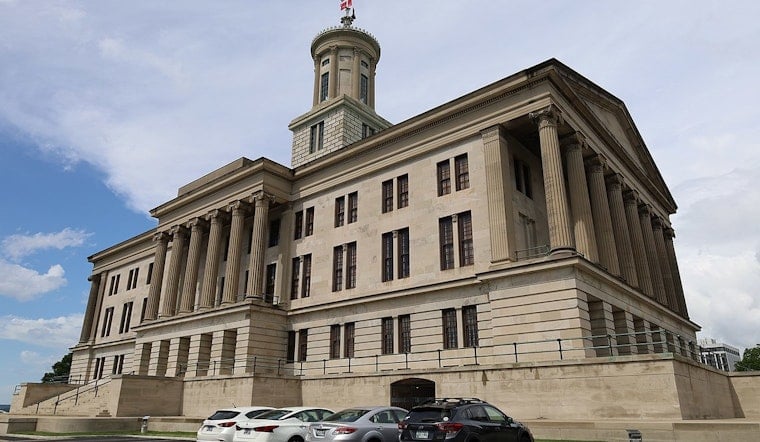
Tennessee lawmakers just opened the door for in-state research on one of the most controversial psychedelics out there, signing off on a framework for clinical trials of ibogaine. The measure, called the HOPE Treatment Act, zeroes in on the drug as a possible tool for treating PTSD, traumatic brain injury, and opioid addiction. Supporters say the plan links tight research oversight with potential funding streams and guardrails around commercialization if anything makes it all the way to market.
What the bill does
The law sets up a state-selected cohort of drug developers, research institutions, and hospitals that can pursue FDA drug-development trials of ibogaine. That includes filing investigational new drug applications and seeking breakthrough-therapy designation when possible. According to the Tennessee General Assembly, any proposal to join the cohort has to come with a full clinical-trial design, cardiac-safety protocols, aftercare plans, recruitment strategies, and proof of matching funds before Tennessee cuts any checks.
The legislation also creates a Tennessee Mental Health Innovation Fund and lays out revenue rules for any intellectual property that might spin out of successful ibogaine trials, so the state is not just a spectator if something works.
Why supporters pitched it
Backers frame the move as a way to bring federally authorized research closer to home for veterans and people with treatment-resistant conditions, while also building Tennessee’s own research infrastructure. Rep. Bryan Terry, the bill’s sponsor, said the General Assembly backed the measure so that Tennessee-based institutions can take part in FDA-authorized ibogaine trials, according to Rep. Bryan Terry’s Capitol Checkup.
Supporters argue that if an ibogaine therapy eventually wins FDA approval, having trial sites and expertise in-state could speed up scientific evaluation and create high-skill jobs in health research, rather than watching that work and those paychecks land somewhere else.
Safety and oversight
None of this happens without a heavy dose of caution. The bill requires trial sponsors to spell out cardiac monitoring and other safety plans in detail. The legislation specifically calls for cohorts to build cardiac-safety protocols and robust aftercare into their trial designs, according to the Tennessee General Assembly.
Medical literature is not shy about ibogaine’s risks. Clinical reviews and poison-control reports note that the drug can prolong the QT interval and, in rare cases, trigger fatal heart arrhythmias. That makes rigorous screening and real-time cardiac monitoring nonnegotiable for any serious trial, as summarized in the ACMT abstracts.
Where this fits nationally
Tennessee is stepping into a broader national scramble to figure out how, and how fast, to study psychedelics such as ibogaine, psilocybin and MDMA. Texas and other states have rolled out their own programs or funding aimed at ibogaine and related compounds, with multiple psychedelic bills surfacing across the country, according to The Texas Tribune and Psychedelic Alpha.
Proponents say coordinated, state-backed research could speed up FDA review and clarify whether these drugs actually deliver on the hype. Skeptics warn that moving too fast risks safety gaps and outsized pressure to commercialize therapies before the science is truly settled.
What’s next
The General Assembly passed the HOPE Treatment Act this month, and the bill now goes to Gov. Bill Lee for his signature, according to WKRN News 2. If he signs it, the Department of Mental Health and Substance Abuse Services would be responsible for picking the research cohort and entering into contracts.
Rep. Bryan Terry’s office has also outlined the path forward for the measure, including the role of state agencies in getting trials off the ground, in Rep. Bryan Terry’s Capitol Checkup. Actual ibogaine sessions in Tennessee labs are still a long way off; they will depend on FDA green lights, matched funding and whether potential trial sites can clear the bill’s safety and oversight hurdles.





