

























































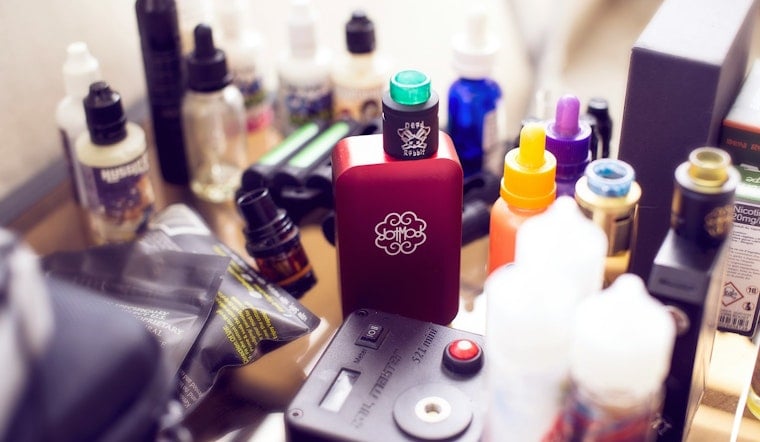
Dozens of students and educators from 14 North Carolina counties packed into the Legislative Building in Raleigh on Wednesday, April 29, turning the place into a crash course on what vaping really looks like inside schools. They were there to push lawmakers to pass House Bill 430, known as Solly's Law, which would raise the minimum age to buy vaping products from 18 to 21. Students described vaping as a constant headache on campus, saying devices show up in bathrooms, hallways and even classrooms, derailing lessons and forcing staff to play vape patrol. After a hearing at the General Assembly, teen advocates said they had met with lawmakers and were not planning to let up anytime soon.
As reported by WTVD (ABC11), Halifax County Schools Superintendent Eric Cunningham told lawmakers, "Our students matter. Their brains matter," warning that confiscated vape pens can trigger aggression among students. Durham student Gabriel Anderson told the outlet that illegal sales to minors are a big driver of the problem and said, "The solution is to cut the age gap and bring it to 21." Teen advocates said they plan to keep meeting with legislators and pressing for hearings and votes.
What Solly's Law would do
House Bill 430 would raise the minimum purchasing age for tobacco and vapor products to 21, set up a state permit system for retailers, and expand enforcement authority and penalties for violations. The bill spells out retailer permitting rules, required signage and misdemeanor penalties for sellers who provide products to underage buyers. For the full text and recorded actions on the measure, see the bill page on the North Carolina General Assembly website.
The public-health case and funding risk
Public-health advocates say tightening youth access is one of the most reliable ways to cut future addiction. A one-page briefing from the Tobacco 21 coalition notes that North Carolina ranks high for youth vaping and that about 95% of tobacco users start before age 21. The same briefing warns that the state could lose roughly $5 million in federal prevention and treatment money if state law does not match federal standards, a financial pressure advocates have leaned on as they call for faster action. See the NC Public Health Association's Solly's Law briefing for the coalition's data and policy summary.
Named for Solly
The bill is named for Solomon "Solly" Wynn, a Wilmington teenager whose obituary records his death on June 17, 2023. Advocates say his illness was linked to vaping. Solly's stepmother and other relatives have repeatedly pressed lawmakers in Raleigh and appeared at press events to call for hearings and stronger protections, according to local reporting. Their story has become a touchstone in testimony from students, parents and public-health groups around the state.
Next steps
According to the legislative record, HB 430 was re-referred to the House rules committee on March 20, 2025, which means supporters are now focused on getting committee action and public hearings. Teen organizers told lawmakers they intend to keep coming back to Raleigh until there are hearings or votes, and bill sponsors say that hammering out agreement on enforcement and permitting will be key to moving the measure. For the day's coverage of student testimony see WTVD (ABC11), and for the bill's filing and status see the North Carolina General Assembly.





