

























































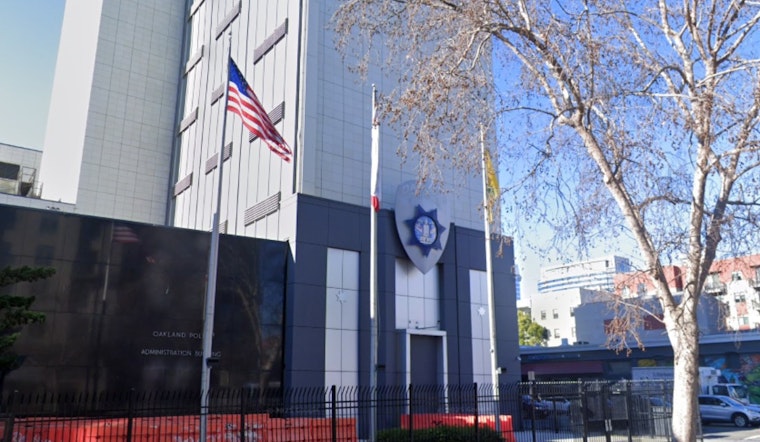
Oakland leaders are rolling out a new public safety game plan just as police data show reported crime on the decline. The strategy mixes violence prevention programs with targeted policing, increased training and more technology. For some residents, the shift feels like long-awaited relief, while community advocates are raising red flags about surveillance and underreporting.
According to KQED, Oakland recorded 67 homicides in 2025 - the lowest annual total in decades - alongside declines in other major crime categories. City figures cited by KQED show aggravated assaults down about 10%, firearm robberies down roughly 50% and motor vehicle thefts down about 40%. Mayor Barbara Lee called the trend meaningful but incomplete, saying, "Of course, that's 67 too many."
As KTVU reported, Oakland police say they will review the 2025 numbers and roll out a public safety plan for 2026 that blends enforcement with prevention. Interim Police Chief James Beere and other officials have described the effort as a citywide coordinated push rather than a single policy pivot.
What's in the plan
Officials say the outline features staffing and training investments, including a revived police cadet program funded in part by Kaiser Permanente and PG&E and additional academy classes to expand sworn ranks, as reported by KALW. The mayor’s office also pointed to a January graduation of 14 new officers in a press release from the City of Oakland, which framed the hires as part of broader public safety investments. City spokespeople say the goal is to pair both new and veteran officers with the Department of Violence Prevention's outreach teams so responses can be more tailored.
Policing, tech and prevention
City leaders have credited a blend of violence prevention work, including the restored Ceasefire program, along with technology tools such as ShotSpotter, drones and automated license plate readers for helping investigators cut down on shootings and recover stolen vehicles, according to KQED. Officials say those technologies boosted detection and clearance rates in 2025. Coverage by The Guardian highlights community fears that expanding surveillance could erode trust and hit neighborhoods already wary of police the hardest.
Community reaction and concerns
Residents and business owners report a mixed picture. Some say they are seeing quieter streets and fewer break-ins, while others insist thefts and assaults remain a problem and worry that not every incident makes it into the official stats. ABC7 noted that city officials acknowledge historic underreporting and say improving 911 response and access to filing police reports is part of the strategy. Community groups argue that long-term safety will require parallel investments in jobs, better lighting and public spaces alongside traditional policing.
Next steps
City officials say they plan to finalize the public safety plan in the coming weeks and present details to the City Council and the public, with additional community meetings expected, according to NBC Bay Area. Leaders emphasize a dual goal: locking in the recent reductions while tackling neighborhood concerns about surveillance and reporting. How Oakland balances those priorities, and how quickly residents feel anything on the ground, will likely determine whether this new plan is ultimately seen as a win.





