

























































Ohio colleges are locked in a quiet price war, posting eye-popping tuition rates while quietly handing most students hefty discounts. Families touring campuses see sticker prices that are more scare tactic than reality, yet those same numbers prop up institutional prestige and budgets that schools say they cannot easily unwind.
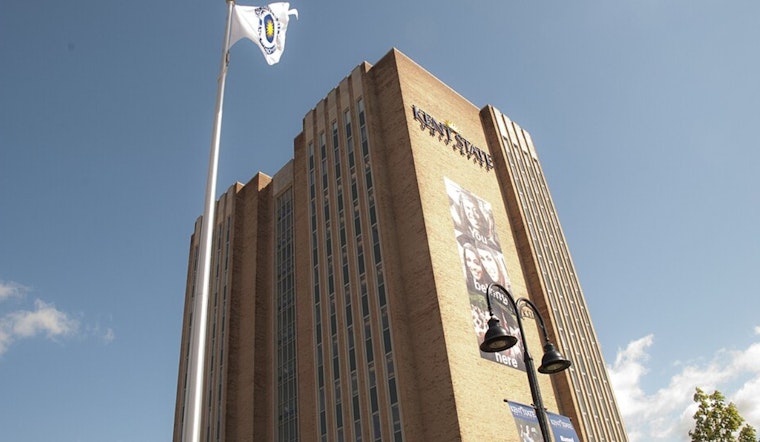
As Crain's Cleveland Business reports, regional universities, including Kent State, are dangling generous grants and merit awards even as published tuition keeps inching higher. Admissions officers told the outlet they feel they have little choice. If a rival school sweetens an offer, they feel compelled to match it or risk losing applicants at a time when the pool of traditional college-age students is shrinking. Crain's describes the result as a tuition "arms race" that has left campuses heavily reliant on a high-discount model.
NACUBO: Discounting Has Become The Default
According to the NACUBO 2024 Tuition Discounting Study, the average institutional tuition discount rate in 2024-25 hit 56.3% for first-time, full-time undergraduates and 51.4% for all undergraduates. In plain language, colleges are now routinely giving up roughly half of their potential tuition revenue through institutional grants.
"The NACUBO Tuition Discounting Study underscores an important kitchen-table issue," NACUBO president and CEO Kara D. Freeman said, urging families and policymakers to look past the glossy price tags. The numbers show tuition discounting is not a niche tactic anymore - it is the default way many private colleges do business.
Inside Higher Ed reports that colleges increasingly treat institutional grant aid as a recruitment tool, not just as traditional need-based support. The goal is to "attract or retain students who are unable or unwilling to pay" the full sticker price. Yet even with aggressive discounting, participating institutions reported only modest gains in net tuition revenue, suggesting that heavy aid packages often erode the very revenue colleges are trying to protect. That tension helps explain why administrators are wary of cutting back on aid even as discount rates climb higher.
Net Price Often Falls For Families - But Equity Questions Remain
Data from the College Board show that the average published tuition and fees at private nonprofit four-year colleges was about $45,000 for 2025-26. After grant aid, however, the estimated net tuition and fees for first-time, full-time students at those schools dropped to roughly $16,910 that same year. For many families, that massive gap can make college feel attainable instead of impossible.
Researchers, though, warn that a discount system built heavily on merit aid can skew benefits toward higher-income applicants and deepen inequality. The glossy published prices help frame a sense of value, while the complex, behind-the-scenes aid formulas decide who actually gets a break and by how much.
The NACUBO study also found that most of these institutional grants are funded out of general operating revenue and foregone tuition rather than from large endowments. Endowments accounted for about 12% of grant funding in 2023-24. More than 83% of undergraduates at participating institutions received institutional grant aid in 2024-25, a scale that raises hard questions about how long tuition-dependent schools can keep this up. College leaders told NACUBO researchers they are testing new financial aid and retention strategies, but many conceded there is no easy off-ramp from discounting without putting enrollment at risk.
For Ohio campuses, the pressure is immediate. As Crain's Cleveland Business notes, admissions directors say the market punishes any college that tries to trim aid on its own. One school that blinks while others keep discounting can quickly see applications and deposits slide, effectively trapping institutions in a matching game that protects enrollment numbers but stretches budgets thin. Efforts to reset prices openly or simplify aid can be politically explosive even when financial officers argue the current model cannot last.
Some proposed fixes are on the table, including increased state support and more coordinated pricing approaches among peer institutions. Both would require high levels of trust and cooperation that are rare in a fiercely competitive admissions landscape. Inside Higher Ed notes that colleges are experimenting with new financial aid strategies and retention efforts, but for now the discount treadmill keeps humming. Families and policymakers are being urged to look closely at net costs and who benefits from institutional aid, not just at the headline tuition number, when they weigh what college really costs.





