

























































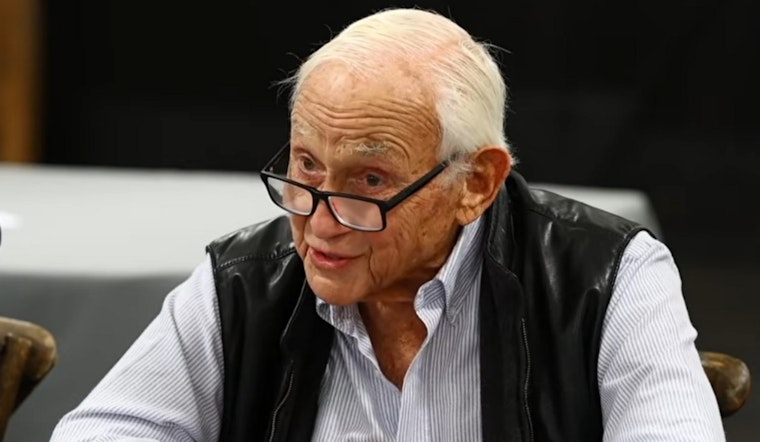
A group of women who say Jeffrey Epstein abused them has filed a lawsuit accusing Ohio billionaire Les Wexner of supplying the money, real estate and insider access that kept Epstein’s sex-trafficking operation running for years. The suit argues those transfers and financial ties were not routine business moves but active support that enabled trafficking and exploitation. The new complaint lands as Wexner faces fresh public pressure following recent closed-door congressional testimony and the release of millions of pages of records tied to Epstein investigations.
As reported by Crain's Cleveland Business, which cited Bloomberg, the plaintiffs say Wexner’s financial backing, including cash transfers and control over property and accounts, made Epstein’s operation possible. The lawsuit, filed March 31, seeks damages and demands records that plaintiffs say will reveal a long-running pattern of funding and facilitation. Their attorneys say recent document dumps finally gave them enough material to bring these specific claims.
Wexner has denied knowing about any criminal conduct and told Congress he was “duped by a world-class con man,” according to prepared remarks shared with the media. In closed-door testimony and related statements summarized by the AP, Wexner said he severed ties with Epstein in 2007 and claimed Epstein misappropriated funds. Democrats on the House Oversight Committee said his answers did not fully explain how Epstein built and maintained his network.
What the plaintiffs allege
The complaint, as detailed by Crain's, points to transfers of real estate, cash and other resources that the women say formed the financial and logistical backbone of Epstein’s trafficking operation. Public records and past reporting have already shown that Epstein was granted sweeping control over Wexner’s finances in the 1990s, a key detail examined by PBS NewsHour. The new lawsuit attempts to connect that paper trail to specific victim accounts.
Why the case matters in Ohio
For central Ohio, this is not just a distant scandal. Wexner’s decades of philanthropy and naming rights have linked his name to hospitals, universities and cultural institutions in Columbus and New Albany. Survivors and campus activists say the new lawsuit, combined with his recent deposition, gives fresh momentum to demands to strip Wexner’s name from buildings and programs. During and after his congressional appearance, the AP reported that local advocates were already pressing institutions to respond as more details surfaced.
What's next
If the case proceeds, discovery could tap into the millions of pages of records recently released by the Justice Department and other entities. News outlets and lawmakers say those disclosures have generated new investigative leads and heightened public scrutiny. Coverage of the broader document releases and ongoing congressional inquiries is continuing, and legal observers say this Ohio lawsuit could trigger additional subpoenas and testimony as plaintiffs chase more records and depositions, according to reporting by The Guardian.
The complaint adds one more civil battle to the long list of Epstein-related cases and probes tied to his network. Wexner has not been criminally charged, and his legal team says he plans to fight the claims aggressively. That likely means a series of procedural fights, slow-motion document releases and an even thicker public record before anything resembling a final resolution arrives.





