

























































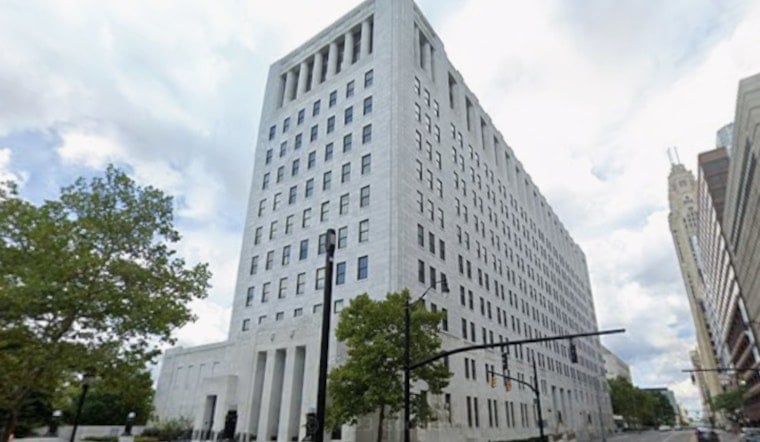
Two seats on the Ohio Supreme Court are on this year’s ballot, and one contest could decide whether Democrats hang on to their lone statewide foothold. Incumbent Justice Jennifer Brunner is up for reelection and faces a crowded Republican primary, while Justice Dan Hawkins is set to face Democrat Marilyn Zayas in the other race. The May primary will narrow the fields and set the general-election matchups that will shape the court for years.
Who’s On The Ballot
According to the Ohio Secretary of State, certified candidates for two full-term Supreme Court seats include Democrat Jennifer Brunner and Republicans Andrew King, Jill Flagg Lanzinger, Ronald Lewis, and Colleen O'Donnell for one seat, and Daniel R. Hawkins (R) and Marilyn Zayas (D) for the other. The Secretary of State’s office lists the May 5, 2026, primary as the date when voters statewide will pick nominees. County boards will publish local ballots and polling information as the primary approach.
Meet The Challengers
The Republican challengers bring a mix of appellate experience and trial-court service. King serves on the Fifth District Court of Appeals, Lanzinger is a state appellate judge, Lewis sits on the Second District Court of Appeals, and O'Donnell is a former Franklin County Common Pleas judge. Each candidate emphasizes different judicial philosophies and priorities, setting up a primary that observers say will turn on experience, endorsements, and conservative credentials. For background and candidate profiles, see reporting from the Ohio Capital Journal and local election offices.
Brunner’s Challenge To Partisan Labels
Brunner has also pursued litigation aimed at the 2021 law that requires party labels next to appellate and supreme court candidates on general-election ballots, arguing the rule clashes with judicial conduct restrictions and her free-speech rights. That federal lawsuit, first reported when it was filed in 2023, has survived initial motions and remains part of the legal backdrop to this campaign season, as documented by local and legal reporters. The case could influence how judges campaign and what information voters see on ballots in future cycles; follow coverage from WOSU for developments.
Why The Primary Matters
The stakes are significant. Republicans currently hold six of the seven seats on the court, and this cycle can either widen or slightly alter that margin. Supreme Court rulings touch redistricting, reproductive-rights litigation, and other high-profile issues, and justices serve six-year terms, so the outcomes will affect Ohio policy for years. Analysts tracking recent legislative and electoral changes say those shifts have already reshaped how candidates run and how voters evaluate judicial races; see analysis from State Court Report and background at the Supreme Court of Ohio.
Voting Basics
The May 5, 2026, primary will decide who moves on to November, and early voting has already begun in some jurisdictions, according to the Secretary of State’s election notices. Voter registration deadlines and procedures vary by county, but many boards, including the Cuyahoga County Board of Elections, list April 6 as the registration cutoff for the May primary. If you need an absentee ballot, polling-place information, or the certified candidate list for your precinct, consult your county board of elections or the Secretary of State’s voter toolkit.
For local reporting and candidate quotes, see coverage by The Columbus Dispatch.



