

























































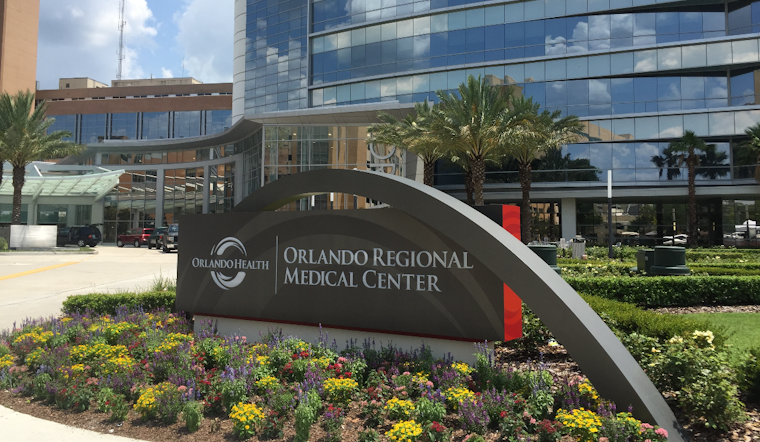
Orlando Health says it has struck a deal to acquire Regional Medical Center (RMC) in Anniston, Alabama, bringing the city-owned hospital and its staff into the health system’s Alabama operations. City and hospital leaders rolled out the news on April 7, 2026, describing the affiliation as a way to deliver fresh capital, upgraded technology, and added clinical support to a system that serves much of northeast Alabama. The transaction still needs regulatory approval, with both sides aiming to close later this year.
City Leaders Pitch Deal as Long-Term Stability for Local Care
According to the Calhoun Journal, the Anniston City Council and the Regional Medical Center Healthcare Authority have already signed off on the agreement. In a memo to staff, RMC CEO Keith Parrott said employees will “transition on day one with their current title and pay.” City officials stressed that the hospital building remains city property and said the agreement includes guardrails intended to keep core services anchored in Anniston. They also said Orlando Health plans to pour money into facilities, equipment, and a new electronic health record for the system.
Local Reaction and Leadership Remarks
Mayor Ciara Smith-Roston called the deal “a defining moment” that she believes positions Anniston as a regional hub for high‑quality healthcare in northeast Alabama, WBRC reported. City and RMC leaders said the talks stretched on for months and were driven by a search for long‑term stability, not a quick financial patch. Officials added that they expect to keep up regular communication with hospital staff and the broader community as specific investment projects and timelines are hammered out.
How the Move Fits Orlando Health’s Bigger Game Plan
The RMC acquisition is the latest step in Orlando Health’s Alabama expansion, as the system has steadily grown its presence across the state in recent years, according to the Orlando Business Journal. Orlando Health says RMC will be folded into its existing Alabama Region, with leaders touting the deal as a chance to deepen partnerships with local physicians and roll out additional services. Executives also framed the move as a way to centralize some administrative work while trying to beef up clinical capabilities at community hospitals like RMC.
RMC by the Numbers
A news release describes RMC as a not‑for‑profit system built around a roughly 375‑bed medical center, with a network of outpatient clinics and specialty practices, according to WVTM 13. RMC’s own figures list nearly 1,900 team members and about 200 physicians across the main Northeast Alabama Regional Medical Center campus and the Stringfellow campus. Those headcounts and bed numbers help explain why city officials say the agreement is as much about protecting local jobs and services as it is about shoring up hospital finances.
What It Signals for Rural and Small-City Hospitals
Health policy analysts note that deals like this can unlock much-needed capital and technology upgrades for smaller systems, but they also feed a broader consolidation trend as independent hospitals struggle to stay afloat. Research from KFF finds that many rural facilities have wrestled with thin or negative operating margins and have increasingly turned to affiliations or outright sales. Anniston officials say their hope is straightforward: that this particular partnership protects and expands local services instead of cutting them back.
What Happens Next
The agreement still has to clear regulatory reviews and other customary closing conditions, with leaders targeting completion sometime later this year, WVTM 13 reported. City, hospital, and Orlando Health officials say they will release more details on timing, capital projects, and staffing changes as the review moves forward. In the meantime, residents and local providers will be watching closely to see if the promised investments materialize and how the new ownership affects access to care, pricing, and the range of clinical services available close to home.





.jpg)