

























































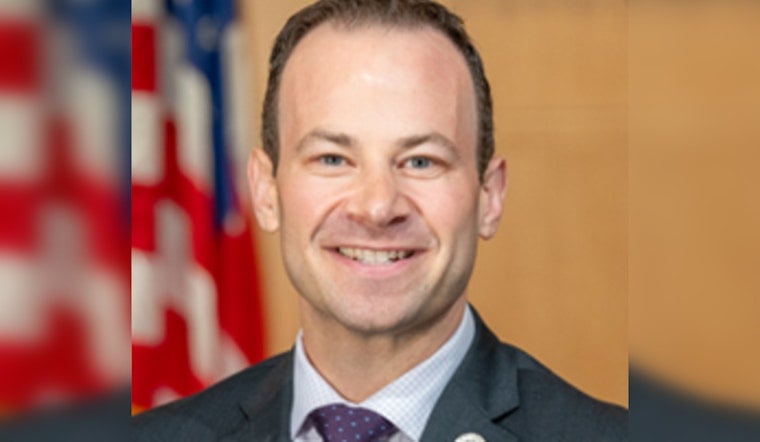
Andrew Friedson is trying to sell Montgomery County on a simple idea: grow faster, build more, and clear the way for jobs to follow. The 40-year-old, two-term county councilmember is running for county executive on a pro-growth, pro-housing message, backed by a hefty campaign account and a stack of endorsements that have some progressives on edge. His pitch centers on quicker approvals, targeted zoning shifts and incentives to attract employers, while critics warn that his close relationship with developers and big donors could skew policy toward private interests. The primary contest against fellow councilmembers Evan Glass and Will Jawando is quickly becoming a test of who can ramp up housing construction without handing the steering wheel to the people funding the campaigns.
Friedson’s financial advantage is not subtle. His campaign has reported more than $2 million raised, enough to fund countywide outreach and a steady schedule of high-dollar events. According to The Baltimore Banner, that cash has helped him lock in endorsements from state and local officials along with union support that is filling out his early campaign calendar. Allies argue the money reflects broad support for a pragmatic approach to jobs and housing, not a pay-to-play operation.
Friedson's Record And Pitch
First elected to the council in 2018, Friedson has served two terms and held one-year stints as council vice president in 2023 and council president in 2024, according to the county’s official biography. His campaign platform centers on economic development, paid parental leave and streamlining permitting so housing and business projects do not languish in bureaucracy, as laid out in his "Why I’m Running" materials. Supporters cast those priorities as practical fixes that can cut costs and move projects from concept to groundbreaking more quickly.
Housing, Taxes And The Developer Question
At the heart of Friedson’s agenda is a "More Housing NOW" push that calls for more missing-middle density around transit hubs and the use of underperforming properties for new homes. That includes a zoning text change that would allow religious organizations to build affordable units on their land. He has supported efforts to fast-track affordable developments and publicly criticized a proposed tax increase for schools as a short-term patch with "no plan" for the long-term bill, as The Baltimore Banner reported. Trying to court private builders while promising real affordability is the tightrope his opponents are eagerly pointing to as the weak spot.
Money, Messaging And The Pushback
Rivals have zeroed in on Friedson’s fundraising lead as a sign of outside influence muscling into the race. Montgomery Community Media summarized recent finance reports and quoted Will Jawando arguing that the next county executive should be "accountable to the people, not developers and special interests." Coverage has also noted that Glass and Jawando are using Montgomery’s public-financing system, which caps contribution sizes and bans corporate and PAC money in exchange for matching funds. Friedson’s camp counters that the dynamic is straightforward: his ability to raise big money makes it possible to run a fully competitive countywide campaign and bring key players to the table to get housing built.
The clock now runs to June, when the Democratic primary will narrow the field and set Montgomery County’s course for the next four years. Campaign calendars and voter guides outline a June primary and an early-voting period, and candidates’ sites highlight voting details for residents, as shown on Will Jawando. Whoever emerges from that primary will move on to the November general election to replace Marc Elrich, whom voters blocked from seeking a third consecutive term in a 2024 referendum, according to The Washington Post.





