

























































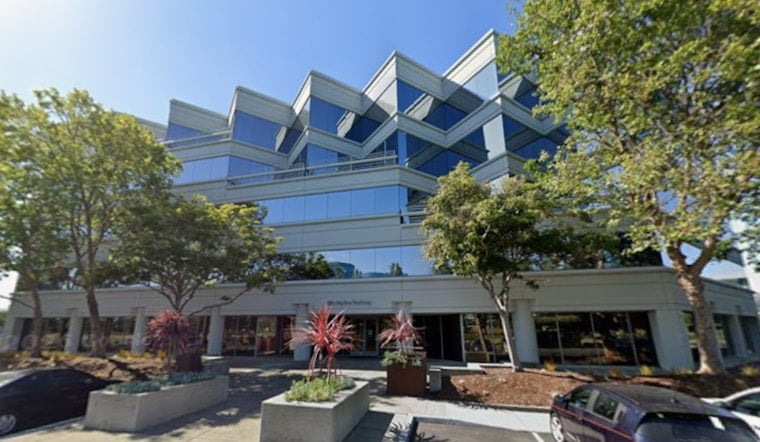
Neurocrine Biosciences is cutting a massive check to get deeper into the rare-disease business, striking a roughly $2.9 billion all-cash deal to buy Redwood City-based Soleno Therapeutics. At $53 a share, the offer hands Neurocrine control of VYKAT XR, the only FDA-approved treatment for hyperphagia in Prader-Willi syndrome, and plugs a new rare-disease product into the company’s commercial lineup. Executives are pitching the move as a way to diversify revenue and bulk up Neurocrine’s presence in hard-to-treat conditions.
Under the agreement, Neurocrine will launch a cash tender offer at $53.00 per Soleno share, valuing the target at about $2.9 billion and giving Soleno investors roughly a 34% premium to the company’s April 2 closing price. A joint statement carried on PR Newswire spells out that, if enough shares are tendered, a follow-on merger would fold Soleno into Neurocrine as a wholly owned subsidiary. As Axios points out, the deal also hands Neurocrine a metabolic-disease asset at a moment when obesity-related therapies are reshaping biotech strategy across the board.
Soleno’s VYKAT XR (diazoxide choline) cleared the FDA in March 2025 and hit the market later that spring. The company reports that VYKAT XR pulled in about $190 million in 2025 revenue, including roughly $92 million in the fourth quarter alone. Soleno flagged the launch last year, and biotech watchers have repeatedly cited the drug’s early uptake as the prime catalyst for this sale, a dynamic highlighted by STAT.
Why Neurocrine Is Paying Up
With this buyout, Neurocrine is looking to widen a commercial portfolio that already features INGREZZA and CRENESSITY. Adding VYKAT XR gives the company three first-in-class medicines and, if all goes according to plan, a more balanced growth story rather than dependence on a single blockbuster.
Neurocrine tells investors the purchase is a strategic fit, emphasizing what it describes as durable intellectual property around VYKAT XR and room to scale the drug using Neurocrine’s existing sales infrastructure. Slides and the joint release say the transaction will be funded with cash on hand plus a modest layer of pre-payable debt, a structure designed to keep the balance sheet from getting too stretched.
Patient Impact
Prader-Willi syndrome is a rare genetic disorder marked by relentless, chronic hunger and a host of related medical problems. Advocacy groups estimate it affects roughly 1 in 12,000 to 15,000 births, translating to about 10,000 to 20,000 people in the United States, according to PWSA | USA. Families and clinicians have spent years hunting for something that addresses hyperphagia directly, and many now view VYKAT XR as the first approved therapy that goes after this core symptom.
The acquisition could speed up negotiations with insurers and expand distribution, since Neurocrine brings deeper commercial muscle than a small rare-disease shop typically has. At the same time, patient advocates are making it clear they will be watching closely to see how pricing, access, and long-term outcomes shake out under the new owner.
Deal Mechanics And Timeline
The transaction is structured around a familiar one-two punch: Neurocrine will first launch a cash tender offer, then complete a merger if enough Soleno shares are tendered and other conditions are satisfied. Closing is expected within roughly 90 days, subject to standard requirements, including clearance under the Hart-Scott-Rodino antitrust review process.
The companies say they have filed the merger agreement and related documents, and that tender-offer materials plus a Solicitation/Recommendation Statement will be posted with the SEC. StreetInsider is carrying SEC filings that spell out the nuts and bolts of the offer and its conditions.
From here, investors and patient groups will be focused on three pressure points: how many Soleno shares end up being tendered, how quickly regulators sign off, and whether Neurocrine can grow VYKAT XR sales while maintaining reasonable access for patients. Both companies have lined up investor materials and a conference call tied to the announcement, and they say the full tender-offer documents will land on their investor sites and with the SEC, as outlined in the release on PR Newswire.





