

























































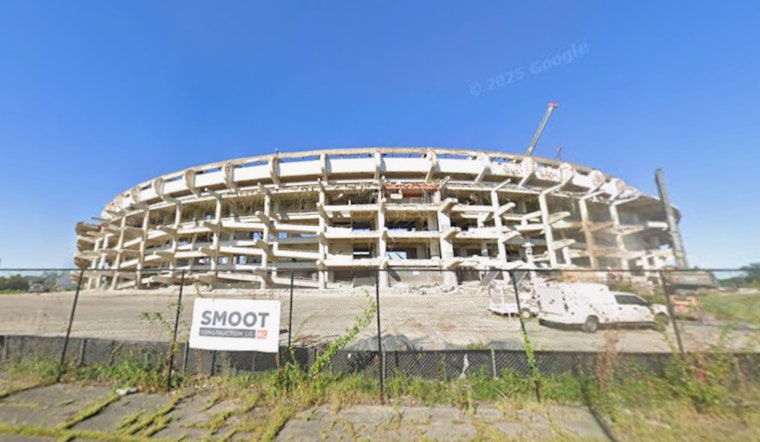
D.C. is officially putting the RFK Stadium megaproject in front of the people who live around it, and the clock is ticking. As the city shifts from glossy concepts to formal review for the 180-acre campus, planners are trying to pull in as much neighborhood feedback as they can. The Office of Planning hosted open houses in late March, ran an online survey through early April, and led a neighbor site walk this Saturday, all while federal and city agencies kept the formal environmental review window open through next Friday.
Environmental review and how to comment
The District and the federal government are now in full environmental-review mode. The National Park Service and the District are serving as joint lead agencies on an Environmental Impact Statement for the RFK campus, and NPS has opened a public scoping period that runs through April 24, 2026, according to the National Park Service. The federal notice spells out how to submit comments online through the NPS PEPC portal or by mail to the regional NPS office, and the mayor’s office has put out complementary guidance along with a D.C. point of contact for written comments. The NPS site also posts a study-area map and scoping documents so residents can see what land is in play and what kinds of alternatives are under study.
How planners are collecting local input
City planners are trying to show that this will not be a purely top-down plan. The Office of Planning staged two in-person open houses, on March 24 at the Department of Employment Services and March 28 at St. Coletta of Greater Washington, and ran an online survey from March 30 through April 10 so residents could weigh in on everything from housing and park space to transit access. Planners also set up a community site walk for Saturday at 10 a.m., starting at the Stadium-Armory Metro station, to walk key parcels and listen to neighbor concerns on the ground. The agency says it will fold comments from meetings, survey responses, and earlier visioning work into a draft master plan.
What’s at stake: stadium, homes and jobs
The vision on the table is big. The master plan spans the entire 180-acre RFK campus and contemplates a roofed, 65,000-seat stadium paired with housing, hotels, retail and new parks, according to OurRFK and city materials. Project documents put potential housing somewhere between roughly 5,000 and 6,500 units, with at least 30% of those homes designated as affordable, and forecast thousands of construction jobs along with several thousand permanent positions tied to the full buildout. The D.C. Council signed off on the broader redevelopment framework last year, which cleared the way for city-led planning and public-private partnerships, according to the AP.
Local response and federal scrutiny
The plan is already drawing strong reactions. Neighborhood advocates and environmental groups are pressing for firmer commitments on open space, transit upgrades and community benefits before a stadium becomes the anchor use. Federal reviewers have flagged questions about the scale of proposed parking garages and the potential for added traffic and riverfront impacts, as reported by Axios. Local meeting coverage shows hundreds of people turning out to debate the tradeoffs between jobs and fears about displacement and congestion, according to HillRag.
Next steps and review timeline
Once the current scoping period wraps up, planners say they will use the public comments to refine draft EIS materials and sets of alternatives, which will then run through additional federal and local review, including advisory review by the National Capital Planning Commission. The NCPC already lists RFK as a major project and posted submission materials and staff reports in early April as part of its advisory process. According to planning officials, the Office of Planning and the RFK Project Management Office will rely on public input to narrow and adjust alternatives before a draft plan is circulated for another round of comments.
How to make your voice heard
For now, the most direct way to weigh in is through the environmental review. Comments to the EIS are due April 24 and can be filed using the NPS PEPC portal or by mailing written comments to the address listed in the federal notice, according to the National Park Service. The project website keeps meeting slides and survey materials online, and the city’s OurRFK pages list event details and contacts for the RFK Project Management Office. For one-stop access to study maps, submission instructions and event recordings, residents can use the National Park Service scoping page and the OurRFK site as their starting points.




