

























































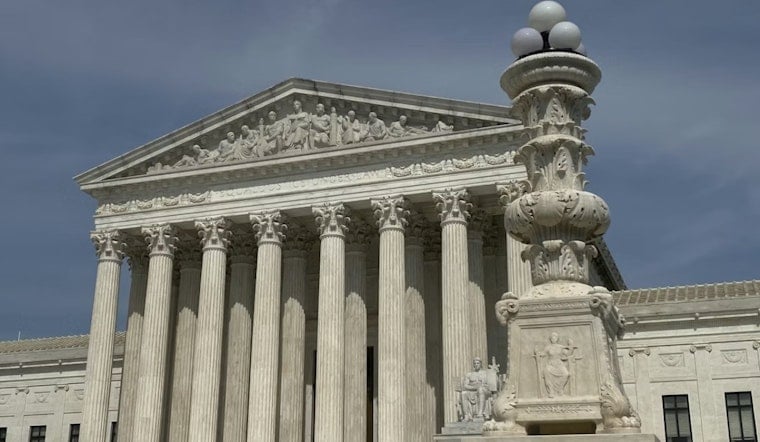
The U.S. Supreme Court today put San Jose heavyweight Cisco Systems under a bright national spotlight, hearing a high-stakes appeal over claims that its networking gear helped build China’s "Golden Shield" surveillance system and fuel abuses of Falun Gong practitioners. The long-running lawsuit, first filed in 2011, asks whether an American company can be sued in U.S. courts for allegedly designing and supporting systems that foreign authorities then used to detain, torture and disappear people. Cisco has denied the accusations and is urging the justices to sharply limit how far the 18th-century Alien Tort Statute can reach.
What the lawsuit alleges
The complaint, brought by the Human Rights Law Foundation on behalf of Falun Gong members, alleges Cisco designed and implemented the Golden Shield and that Chinese authorities used it to identify, track and then torture practitioners, according to reporting by The Daily Record. In 2023, a Ninth Circuit panel revived the case, concluding that plaintiffs had plausibly alleged Cisco provided "essential technical assistance" with awareness that torture and other violations were likely to follow, per the court opinion posted on Justia.
At the high court
Oral arguments on Tuesday zeroed in on whether U.S. judges should recognize aiding-and-abetting liability under the Alien Tort Statute and the Torture Victim Protection Act. Several conservative justices pressed the view that creating such a cause of action is Congress’s job, not the courts’, and Cisco’s lead lawyer leaned hard on that argument, as reported by The Washington Post. The United States has also weighed in on Cisco’s side, filing an amicus brief that warns new, judge-made causes of action could pose serious risks to foreign policy and the separation of powers, according to a brief from the Justice Department filed with the Supreme Court.
What lower courts found
District judges initially tossed parts of the case, but a 2023 Ninth Circuit panel reversed course. Taking the plaintiffs' allegations as true, the appeals court found that Cisco was plausibly alleged to have supplied hardware, software and ongoing support that were essential to the crackdown, and that some of that work was developed in California, according to the Ninth Circuit opinion on Justia.
Why the case matters to tech companies
For the broader tech world, the case is about much more than one Silicon Valley giant’s legal headaches. Civil rights and tech watchdog groups warn the outcome could reset how U.S. courts treat corporate contributions to foreign repression. The Electronic Frontier Foundation and analysts at Just Security have argued that trimming aiding-and-abetting liability under the ATS would make it significantly harder for victims to seek remedies when U.S. technologies are tailored for abusive uses; see analysis from EFF and Just Security. Past reporting has also surfaced internal Cisco materials and 2008 presentations that discussed selling into the Golden Shield market, details the plaintiffs have highlighted in their court filings.
Legal implications
At the legal level, the justices are being asked whether courts should create new causes of action for aiding and abetting international-law violations or leave that policymaking call to Congress. The Department of Justice has warned in its brief that embracing broad aiding-and-abetting liability could intrude on foreign-policy prerogatives and unsettle the separation of powers, a concern the government repeats in its filings on the Supreme Court docket.
The court typically issues opinions by the end of its term, and a ruling in the Cisco case could land by late June, according to The Daily Record. Across Silicon Valley and in human rights circles, the decision is being watched as a major test of how U.S. law treats the downstream uses of American-made surveillance technology and just how far tech firms are expected to follow the trail of their own products.




