

























































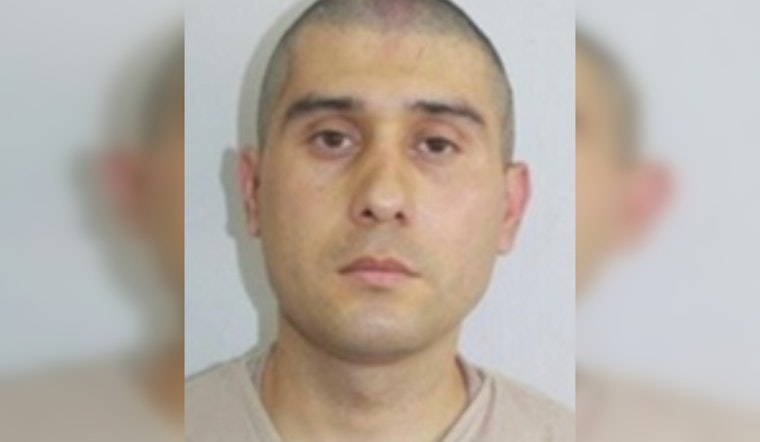
Erick Valencia Salazar, 49, a Santa Clara native and alleged co-founder of the Jalisco New Generation cartel, has pleaded guilty in federal court in Washington, D.C., admitting that he conspired to distribute cocaine for importation into the United States. The conviction stems from a single count that carries a mandatory minimum of 10 years in prison and a potential life sentence, with Chief Judge James Boasberg set to hand down punishment on July 31. The plea comes after his transfer from Mexican custody last year and months of behind-the-scenes negotiations in U.S. courts.
Prosecutors say Valencia Salazar helped build what became CJNG alongside Nemesio “El Mencho” Oseguera Cervantes, before breaking away to form a rival organization known as La Nueva Plaza, according to the Baltimore Sun. The outlet also points to a 2018 grand jury indictment that charged him with conspiring to distribute cocaine for importation into the United States. Court filings reviewed by the Sun describe him as a boss with hundreds of cartel members under his command while he oversaw CJNG networks linked to trafficking and violence.
The Associated Press reports that Valencia Salazar, known as “El 85,” was extradited to the United States in February 2025 as part of an initial group of 29 cartel figures sent north. Prosecutors say he had already been detained in Mexico twice, first in 2012 and again in 2022. A. Tysen Duva, the Justice Department official in charge of the criminal division, said CJNG’s conduct has caused “immeasurable damage,” according to AP. The plea brings to a close a long-running D.C. indictment that prosecutors say tracked Valencia Salazar’s role in recruitment, intelligence-gathering on rivals and trafficking operations.
Extradition, rewards and federal pressure
U.S. authorities have spent years coordinating international pressure on CJNG, including a Narcotics Rewards Program offer of up to $5 million for information leading to Valencia Salazar’s arrest or conviction, according to a Justice Department release. That campaign culminated in the February 2025 transfers to U.S. custody that prosecutors say delivered a slate of high-level suspects into federal court. Officials describe the prosecutions as part of a broader strategy to dismantle CJNG networks that moved tons of cocaine and other illegal drugs into the United States.
What this could mean for the cartel
Valencia Salazar’s guilty plea lands in the middle of a turbulent moment for the organization he once helped lead. The Mexican army killed Nemesio “El Mencho” Oseguera Cervantes in February, a turning point that AP reported has deepened internal fractures and raised new questions about who will control the remaining CJNG factions. Analysts say regional lieutenants and splinter groups could now look for fresh alliances or deals as authorities ramp up prosecutions on both sides of the border. At the same time, experts warn that high-profile guilty pleas do not instantly shut off drug pipelines or the violence that follows them.
Legal next steps
Sentencing is scheduled for July 31 in Washington, D.C., where the court will weigh whether Valencia Salazar gets the statutory minimum or a much longer term that could reach life in prison, as described by the Baltimore Sun. Prosecutors are expected to file detailed sentencing memoranda spelling out his conduct and any cooperation before the hearing. The outcome will be closely watched as part of a broader U.S. effort to turn headline-making extraditions into lasting convictions.





