

























































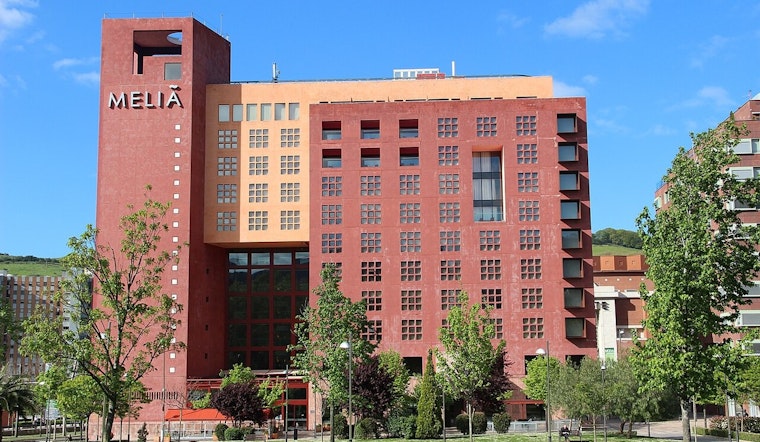
Spain’s Meliá Hotels International is walking away from nearly half its Cuban portfolio, telling owners on May 26 and confirming publicly on June 3 that it will immediately stop managing and marketing 15 of the 34 hotels it runs on the island. The retreat pulls some of the most visible foreign brands out of a tourism economy already hammered by power cuts, slumping bookings and trimmed flight schedules. For Miami, still the main gateway for travelers and remittances to Cuba, the move tightens a growing squeeze that threatens paychecks, package tours and carefully planned family visits.
What the company announced
In a regulatory filing, Meliá’s Portuguese subsidiary Ilha Bela said a “combination of unforeseen circumstances” had triggered the decision to pull out of the 15 properties and that it would “immediately cease” providing management, marketing and brand services, according to Reuters. The company told owners on May 26 it would start an orderly wind-down, noting that most of the affected hotels were already closed or inactive because of low occupancy and operational headaches. Ilha Bela said it would roll out protocols to keep suppliers, guests and local partners informed as the exit unfolds.
Scenes in Havana
The fallout is already visible in the capital. The giant sign at the Royalton Paseo del Prado has been taken down at the entrance to Old Havana, and workers clustered around major hotels warned that shrinking payrolls and tips could hit their households hard, according to the Associated Press. The same outlet reported that international arrivals in the first quarter of 2026 plunged roughly 48% compared with the same stretch of 2025, leaving hotels thinly staffed and many services shut. Drivers, parking attendants and tour guides told reporters they expect the Meliá retreat to deepen the strain on families who rely on seasonal tourism income.
Sanctions tightened, wind‑down window given
The corporate pullback follows a fresh political shock. On May 1, 2026, President Trump signed Executive Order 14404, which broadened Cuba-related sanctions and raised the risk of secondary sanctions for foreign firms. U.S. officials gave companies a short wind-down runway, allowing certain activities through June 5, according to guidance from the U.S. Treasury’s Office of Foreign Assets Control. That guidance urges foreign companies to tread carefully when unwinding relationships with entities linked to GAESA, Cuba’s military-run conglomerate, and says some routine wind-down steps will not be targeted before the deadline. The tightening rules have pushed several foreign operators to reconsider whether it is worth staying in properties owned or controlled by military-backed groups.
Payments and flights stall
Cuba’s central bank has warned that international card networks will stop working on the island after a foreign processor severed ties with FINCIMEX, the state-linked payments firm, a move the bank described as a direct result of the new U.S. measures, the Associated Press reported. On top of that, airlines such as World2Fly, Air France and Iberia have canceled or cut back flights to Cuba, shrinking the stream of incoming visitors and making it even tougher to keep hotels viable. Industry analysts say the combined shock to payments, fuel supplies and air links is creating a near-term operational breakdown for many resorts.
Who’s been affected
Meliá is among the largest foreign hotel operators in Cuba and, although it manages dozens of properties, 15 hotels under its brands are now directly affected. The company has said most of those are tied to GAESA ownership, according to reporting and a CNMV filing summarized by El País. The retreat mirrors partial exits by other chains, including Iberostar, and raises the possibility that a sizable share of Cuba’s foreign-managed rooms could revert to direct state control or simply sit empty. Local suppliers that provide food, laundry services and transportation to the hotels say they are staring at immediate revenue gaps while governments and tour operators scramble to sketch out a Plan B.
Legal implications
Legal and compliance teams describe a stark choice for multinational hotel groups: keep operating and risk U.S. secondary sanctions, or get out and absorb the economic hit to workers and suppliers. OFAC’s guidance and the executive order itself stress that sanctions exposure depends on who the counterparties are and what kinds of transactions are involved, and they urge companies to document their wind-down steps in detail to lower the risk of U.S. enforcement. For more, see the text of U.S. Treasury Executive Order 14404 and OFAC FAQs. Legal advisers caution that the temporary assurances in the guidance, which say certain wind-down activities will not be targeted during the grace period, do little to clear up what happens once that window closes.
In the meantime, Miami travel desks and Cuban-American businesses are focused on triage: rerouting flights, processing refunds and trying to figure out whether shuttered hotels will reopen under local management or remain dark through the high season. Meliá has promised an orderly exit, but analysts warn that rebuilding the kind of brand-driven operations now being dismantled could take months, if not years, leaving Cuba’s fragile tourism sector and its U.S. partners to absorb the fallout.




.jpg)