

























































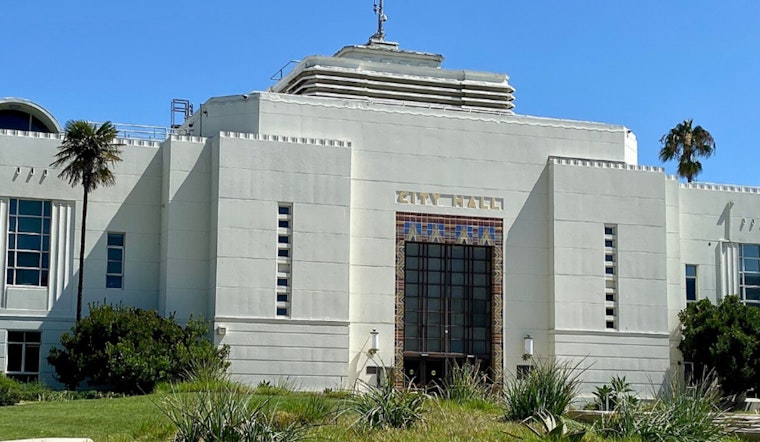
Santa Monica is locking its pandemic improvisations into everyday practice, after the City Council signed off this week on a sweeping overhaul of how the city runs and how its employees work. The package folds temporary COVID-era fixes into permanent operations, reorganizes departments, revives a long-dormant staff training program, and sets a new remote-work norm.
On paper, the goal is straightforward: cleaner commercial corridors, more predictable service delivery, and targeted pay tweaks aimed at closing equity gaps between bargaining units. City leaders are framing the plan as a calculated bet on the workforce already on the payroll, even as some employees warn the changes could make recruiting harder and complicate caregiving arrangements at home.
As outlined by the City of Santa Monica, the moves build on the Realignment Plan adopted last fall and on the city’s claim of measurable progress, including a 12.5% decrease in Part I crime and the restoration of full sworn police staffing. The update bundles operational fixes with economic tools meant to keep gains in public safety and downtown activity from slipping. Officials say the vote is intended to move Santa Monica out of emergency-response mode and into steady, repeatable standards.
Public Works shakeup and cleaner corridors
Under the new structure, downtown and beach maintenance are merged into a single Public Works division, with “enhanced cleaning” - pressure washing, hand sweeping, and similar services - ordered to expand beyond the tourist core. Those services are slated to reach commercial corridors citywide, including Montana Avenue, Wilshire Boulevard, Main Street, Pico Boulevard, and Ocean Park Boulevard, according to the council packet summarized by MotionCount.
The Mobility Division will move into Public Works Engineering to put planning, design, construction, and maintenance of streets and other rights-of-way under one roof. The city’s 311 customer-service operation will also shift to Public Works, since roughly 70% of requests already involve public works. The council signed off on staffing increases to support the stepped-up maintenance work.
Training, remote rules, and staff pushback
The council also agreed to bring back the Santa Monica Institute, the city’s in-house training program that effectively shut down after more than 300 positions were cut during the COVID era, with funding for two new human-resources positions and a learning-management system to run it, reporting by the Santa Monica Daily Press shows.
HR Director Dana Brown told the council that the loss of consistent training “contributed to increased complaints, litigation exposure, and loss of institutional knowledge.” The update is intended to reverse that slide.
On remote work, the council backed a new framework for employees whose jobs qualify, setting the expectation that they will be in the office Tuesday through Thursday, with Mondays and Fridays worked remotely. For workers who say that structure does not fit their lives, the package includes an opt-out program that would provide six months of paid administrative leave after a voluntary resignation.
Pay fixes and a citywide study
The council approved targeted adjustments to personnel and labor agreements, including fully paid medical insurance for sworn police officers and equity adjustments for several department heads, while also authorizing a citywide classification and compensation review, according to MotionCount.
Procurement records show that the Segal Company was selected to conduct the enterprise-wide study in a contract not to exceed roughly $525,000, per procurement listings. Some management groups and AFSCME representatives urged the council to hold off on compensation changes until that study is finished, warning that moving ahead now could create or deepen perceived inequities.
City leaders say the Realignment Update is designed to lock temporary gains into the city’s daily routine, pairing public-safety and economic tools with organizational investments so improvements last, according to staff materials from the City of Santa Monica. Implementation will depend on labor bargaining, budget timing, and the results of the classification study, and officials expect the changes to roll out in phases over the coming months.





