

























































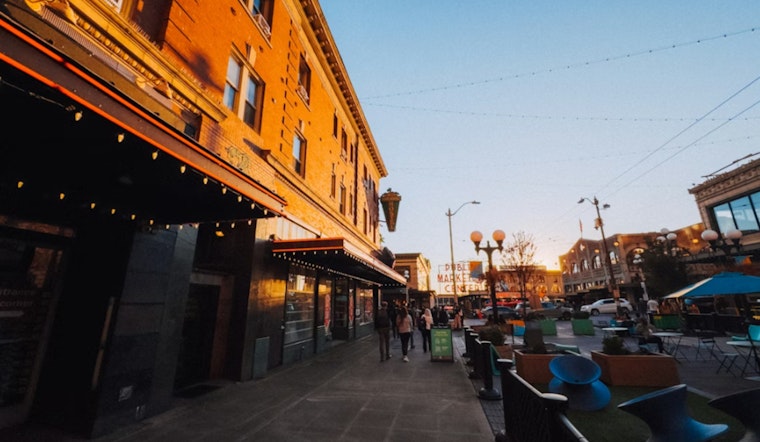
Seattle’s retail scene is finally tilting back in landlords’ favor, at least a little. The region notched positive retail demand in the first quarter of 2026, the first quarter of net gains since the third quarter of 2024. After a long run of occupancy losses tied to redevelopment projects and big anchor vacancies, the latest numbers hint at early stabilization, even if it is far from a full recovery. The rebound is lopsided so far, with neighborhood storefronts and smaller centers doing the heavy lifting while big boxes continue to lag.
According to CoStar Analytics, absorption in the Puget Sound retail sector moved back into positive territory in the first quarter of 2026, marking the first positive quarter since the third quarter of 2024. CoStar frames the shift as an early sign of stabilization after years of redevelopment related losses. The report itself sits behind a paywall, but its headline takeaway is clear enough for a market that spent much of 2024 and 2025 steadily giving back occupancy.
How A Tough Q4 Set Up The Bounce
CBRE’s “Puget Sound Retail Figures Q4 2025” showed just how tight things had gotten heading into the new year: an availability rate hovering near 4.0 percent and negative 588,000 square feet of net absorption in the fourth quarter as late 2025 project deliveries met slower tenant expansion. According to CBRE, the largest completion of that quarter was a 74,000 square foot Floor & Décor in Woodinville, a delivery that helped nudge availability higher and put additional pressure on leasing velocity. Against that backdrop, even modest positive absorption in the first quarter of 2026 stands out as a notable turn.
Small Spaces Are Grabbing The Spotlight
Local brokerage chatter and market notes point to the same storyline: smaller, experience driven concepts and everyday services are leading the comeback rather than traditional big box anchors. Kidder Mathews’ Seattle market commentary highlights firmer demand for compact storefronts and service tenants in urban neighborhoods and Eastside hubs. Per Kidder Mathews, these smaller footprints are generally easier to re-tenant, while large format boxes often still need steeper discounts, formal redevelopment plans or full reuse strategies to get traction.
Aggregated tenant data tells a similar story. Recent search activity and local leasing dashboards show outsized interest in street level retail and neighborhood centers. According to TenantBase, retail and storefront space has dominated recent tenant searches, with attention clustering in Seattle proper, Bellevue and other walkable submarkets. In this phase of the cycle, the micro factors like steady foot traffic, strong transit connections and dense daytime populations are shaping which corners come back first.
What Landlords, Investors And Shoppers Should Track Next
For owners and investors, the first quarter’s improvement looks more like a cautious green light than an all clear signal. Rents could stabilize in the near term for well located smaller centers, but investment and sales activity are still muted compared with prior cycles. CBRE’s fourth quarter figures underscore a wary buyer pool and reduced retail transaction volumes, which in turn means capital remains selective and cap rates may stay elevated for the highest risk properties. In response, brokers are expected to keep pushing right sizing deals and to explore conversion plays where zoning and local economics make them feasible.
Market watchers say the real test comes with second quarter data, which will show whether positive absorption can hold and whether empty downtown storefronts finally begin to shrink in number. For now, the move from losses to modest net gains in the first quarter of 2026 is a tentative but encouraging sign that Seattle’s retail landscape is shifting from painful correction toward a more measured recalibration.



