

























































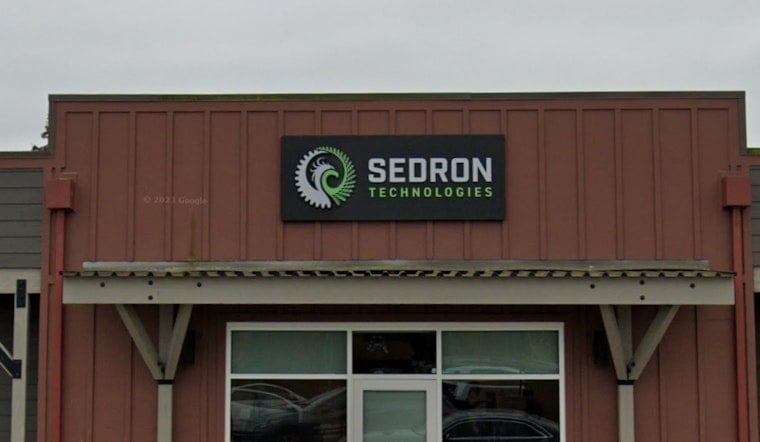
Sedron Technologies, the Sedro-Woolley outfit turning sewage and manure into usable products, announced Thursday that it has secured private equity backing that could reach $500 million to speed up deployment of its Varcor waste-upcycling systems. The money is earmarked to accelerate site construction and in-house manufacturing for units that convert municipal wastewater biosolids and dairy manure into reclaimed water, organic fertilizer and other carbon-negative products. Company leaders say the cash should let Sedron push more regional projects into construction sooner rather than later.
As reported by the Puget Sound Business Journal, the deal, described as an investment of up to $500 million, was disclosed April 9 and quoted Geoff Trukenbrod as Sedron’s interim CEO. The Business Journal noted that Sedron plans to use the capital to launch additional Varcor sites, putting the Skagit County company squarely on the regional business radar.
Private equity backing aims to scale Varcor
In a release from PR Newswire, investor Ara Partners described the commitment as an investment "of up to $500 million" meant to accelerate Sedron’s project-development pipeline and expand manufacturing capacity across North America. Ara Partner Cory Steffek called Sedron a leading example of circular waste management, while Trukenbrod said the funding gives the company "the capital and long-term partner we need to build projects faster," according to the release. Ara said the capital will be used to speed site builds, grow in-house manufacturing and scale Varcor deployments to more communities and farms.
Partners and projects on the way
Sedron already has projects lining up with industry partners. A regional biosolids upcycling plant in Indiantown, Florida, was announced in February through a partnership with Synagro. The companies say construction is expected to begin in 2026, with operations ramping up in 2028. According to the Synagro announcement, the Indiantown facility will cover roughly 11 acres and could create about 30 local jobs.
Sedron has also been developing large agricultural sites, including a Fair Oaks, Indiana, project that the company said will create more than two dozen local positions as the Varcor system comes online. The PR Newswire release on the Synagro deal and regional coverage of Sedron’s Fair Oaks site show the company is pushing both municipal and agricultural deployments as proofs of commercial scale. Local job counts and construction timelines vary by project, but company materials keep emphasizing factory and plant work as one of the near-term benefits of growth.
How Varcor works and what it changes
Sedron describes Varcor as a compact thermal platform that uses vapor recompression and thin-film drying to pull water and nutrients out of liquid wastes. The system produces Class A biosolids, a concentrated nitrogen fertilizer and reclaimed water. According to the company, Varcor reduces operating costs and truck traffic, shrinks facility footprints and avoids methane emissions tied to conventional manure lagoons. Those technical and cost claims are laid out on Sedron, which highlights product outputs and deployment models for both municipalities and farms.
Regulatory backdrop and why this matters
The financing lands as regulators and utilities focus more sharply on contaminants such as PFAS in biosolids and sludge. The U.S. Environmental Protection Agency has been studying risks tied to PFAS in sewage sludge, prompting states and utilities to consider more testing and tighter controls. Analysts say that regulatory pressure is changing how municipalities evaluate disposal options. Ara’s announcement specifically touted Varcor’s ability to "achieve destruction of persistent contaminants such as PFAS rather than shifting the problem downstream," language the firm used to frame the technology for potential municipal customers and partners.
Legal and policy observers note that the push for PFAS testing and guidance is already reshaping biosolids management, a trend documented in recent industry legal analysis and the agency’s own research materials. EPA materials and coverage of state-level moves outline why some utilities are looking for alternatives to land application and traditional disposal methods.
Sedron and Ara Partners say they expect additional project announcements as the company scales, and local officials and utilities will be watching to see whether the promised funding actually turns into faster construction timetables and new local jobs. For now, the deal signals growing investor appetite for technologies that claim to cut costs while tackling the environmental and regulatory pressures facing municipalities and farms that are literally knee-deep in waste problems.



