

























































A South Euclid pharmacist says he has spotted something that did not look right in the Percocet aisle. After noticing what he called an unusual surge in prescriptions for the painkiller, all written by the same doctor, he told police he plans to alert federal diversion investigators. The note appears in the city’s latest police blotter, tucked in among the usual calls. Those same records also detail a recent domestic disturbance involving a 19-year-old man and an arrest on an allegation of domestic violence.
Pharmacist flagged the pattern in police records
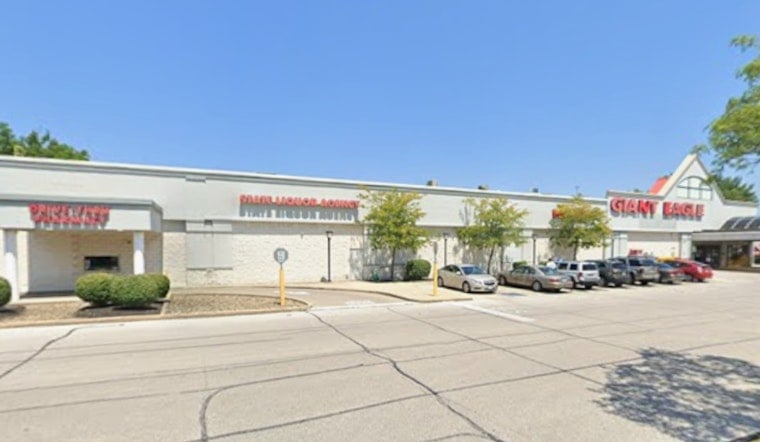
According to Cleveland.com, staff at a Giant Eagle pharmacy told officers they had seen a “suspicious recent increase” in Percocet prescriptions coming from the same physician. The pharmacist reported that he would be taking the concern to the DEA Diversion Control Division.
The Percocet entry is just one slice of the same reporting period. Officers also documented a resident’s report of $21,279 in fraudulent bank charges, a loud-music citation on Hinsdale Road and a vehicle towed after it blocked a driveway on Harwood Road. Taken together, the calls show the usual South Euclid blend of fraud reports and neighborhood quality-of-life complaints in the city’s logs.
How pharmacists can report suspicious activity
The DEA Diversion Control Division notes that pharmacists and pharmacies can raise red flags in several ways. They may contact their local diversion field office directly, send in tips online, and file theft or loss reports, including DEA Form 106, when they suspect diversion or fraudulent prescriptions. The agency’s website explains how investigators sort through those tips and work with local law enforcement when necessary.
State oversight and a rising trend in Ohio
The Ohio Board of Pharmacy requires registrants to keep detailed controlled-substance records and offers guidance on reporting thefts and suspicious orders. Local coverage and regulatory reports have pointed to an uptick in pharmacy theft and diversion cases in recent years. News 5 Cleveland has documented more disciplinary actions and efforts by the state to tighten oversight after pharmacies reported larger numbers of stolen or missing controlled medications.
What a report can trigger
Once a concern lands with federal or state diversion units, it can lead to audits, criminal investigations or administrative reviews. When investigators find evidence of diversion or fraudulent prescribing, they often coordinate with local police and prosecutors. The DEA and state boards have followed through with enforcement in serious cases, including suspending licenses, imposing civil penalties and pursuing criminal prosecutions when they conclude that diversion was intentional.
In the South Euclid case, the blotter entry indicates that the alarm came from pharmacy staff rather than from a reported arrest, and officers did not list any criminal charges that were directly tied to the Percocet concern. Residents who have information about suspicious prescriptions can contact South Euclid police, and the city’s blotter includes the full entry for anyone who wants a closer look.



