

























































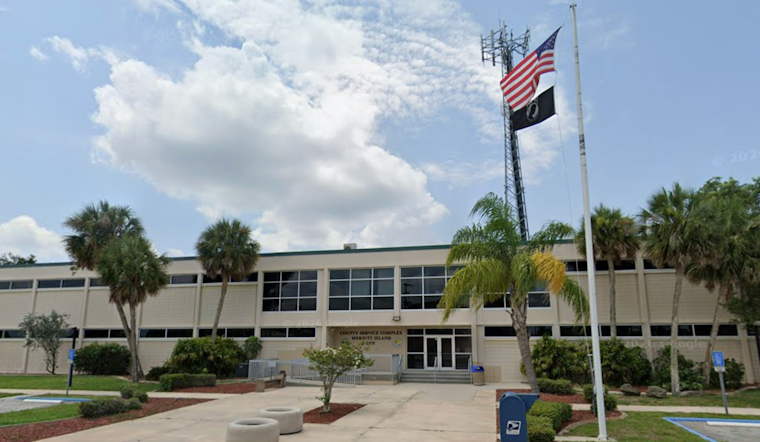
Brevard County commissioners have thrown up a roadblock for AI data centers, moving this week to shut the door on county property-tax breaks for the massive facilities. The board told staff to revise the county’s economic-development rules so data centers would no longer qualify for ad valorem tax exemptions, a local counterpunch to the national rush to build large, energy-hungry server farms.
As reported by the Orlando Business Journal, commissioners voted to deny tax exemptions for data-center projects and pointed to worries about limited job creation and heavy infrastructure demands when weighing whether these projects deserve public incentives.
County paperwork shows the move started as a formal Statement of Legislative Intent. The board asked staff to prepare an ordinance to "add data centers to the list of businesses which are ineligible for economic development ad valorem tax exemption or abatement." The text directing staff to draft and advertise that ordinance for a public hearing appears in Brevard County Legistar.
Commissioners focus on slim job gains and strained utilities
County leaders and staff told commissioners that, while data centers can deliver big capital investment numbers on paper, they usually come with a relatively small number of long-term jobs compared with the size of the tax breaks on the table. Meeting materials and local reporting also highlighted concerns about pressure on the region’s electrical capacity and water resources, a sensitive topic on the Space Coast where growth already tests local systems.
ClickOrlando noted that no active AI data center project is currently on file in Brevard, which means commissioners are effectively setting the rules of the game before any formal proposals land on their desks.
How this fits into a national pushback
Brevard is not alone in tapping the brakes. Around the country, states and local governments have started rethinking or cutting back tax incentives for data centers as AI-driven demand turns these exemptions into increasingly expensive giveaways and residents question the tradeoff between huge power users and public benefits.
Several states are weighing rollbacks or tighter limits on data-center tax breaks in the middle of the AI buildout, according to reporting and analysis from tax and business outlets. Bloomberg Tax has tracked that trend in recent months, documenting growing skepticism about whether these projects deliver enough bang for the public buck.
What happens next in Brevard
Meeting packets filed with the county clerk state that the Board approved the statement of intent and directed staff to prepare an ordinance amendment and advertise it for a public hearing. That process is detailed in the county’s April agenda materials, including the request to move the proposal forward, as shown in the Brevard County agenda packet.
If staff returns with ordinance language and the board adopts it, the new rules would be written into the county code and would control who can seek ad valorem exemptions in the future. That would lock data centers out of one of the county’s primary tax-incentive tools and could shape how companies assess Brevard compared with rival sites.
Legal note
Under Florida law, local governments may choose to offer economic-development ad valorem tax exemptions, and the statute explicitly contemplates longer exemption terms for data centers in some circumstances. Any county ordinance that changes which businesses are eligible still has to operate within that state framework, found in F.S. § 196.1995, and could influence how future applicants structure their pitches or challenge denials.
Florida Statutes, Chapter 196 lays out the state authority for these programs, and the options counties have when tailoring local exemptions.
For now, county staff will draft the ordinance language and schedule the public hearing. Economic-development watchers on the Space Coast, from utilities to site selectors, will be paying close attention to how tightly the board defines "data center" and what, if any, incentives remain on the table. Developers scouting Florida locations may adjust their search maps, while nearby residents and environmental advocates are likely to treat the board’s move as a clear-cut win for local control and resource protection.





