

























































Virginia is officially on the path to a $15 minimum wage.
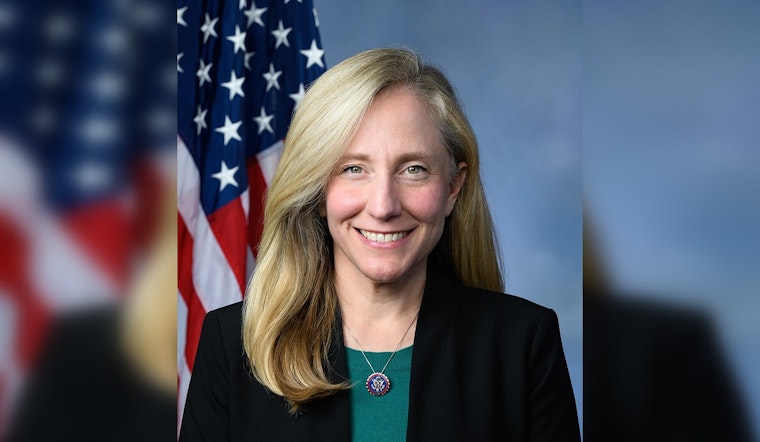
Gov. Abigail Spanberger on April 9, 2026, signed a package of bills that will steadily raise the state’s minimum wage to $15 an hour by January 1, 2028. The law builds in step-by-step pay bumps, extends state minimum-wage protections to many agricultural workers, and then ties future increases to inflation.
What's in the law
According to the Office of the Governor, Spanberger signed companion measures HB1 and SB1 that set Virginia’s hourly minimum wage at $12.77 starting Jan. 1, 2026. It then climbs to $13.75 on Jan. 1, 2027 and $15.00 on Jan. 1, 2028.
The bills also fold in HB20/SB121, which bring many farmworkers under the state’s minimum-wage protections for the first time. Starting Jan. 1, 2029, the law requires that the minimum wage be adjusted each year to reflect changes in the Consumer Price Index, effectively putting Virginia’s wage floor on an inflation escalator.
Business reaction and job estimates
Business groups are already sounding the alarm that the gradual hike will be a squeeze for employers. NBC4 Washington reports the Northern Virginia Chamber of Commerce urged Spanberger to veto the measure.
The fiscally conservative Employment Policies Institute estimates the change could cost about 12,000 Virginia jobs and cut roughly 6% of the state’s restaurant workforce. The group’s research director has warned that wage hikes of this size can also feed inflation, arguing that higher labor costs eventually show up in prices.
Timeline and implementation
SB1 and HB1 cleared the General Assembly and have been recorded as enacted, and state agencies are now shifting into implementation mode, preparing guidance for employers and payroll providers on how to handle the coming step-ups.
The Virginia DHRM bill tracker lays out the schedule: the $13.75 rate on Jan. 1, 2027, the $15.00 rate on Jan. 1, 2028, and the shift to annual CPI-based adjustments beginning Jan. 1, 2029.
Political context
Democrats have been chasing a $15 minimum wage in Virginia for years. Former Gov. Glenn Youngkin vetoed similar efforts twice, according to The Associated Press, turning the issue into a recurring flashpoint in Richmond.
Supporters now frame the newly signed law as part of a broader affordability push aimed at helping working families keep up with rising costs. Opponents counter that the impact will not be uniform, warning it could hit small businesses particularly hard and land very differently in urban and rural parts of the state, a dynamic local outlets have been tracking.
What to watch next
Employers and payroll vendors can expect detailed instructions from state labor agencies in the coming weeks on compliance and enforcement timelines. Because the law links the minimum wage to the Consumer Price Index starting in 2029, legislative watchers say Virginians should also brace for regular annual adjustments once the full $15 rate is in place.
For those who want to dig into the fine print, the full bill text and enacted status are available in the legislative record on LegiScan alongside the state tracking documents from DHRM.





