

























































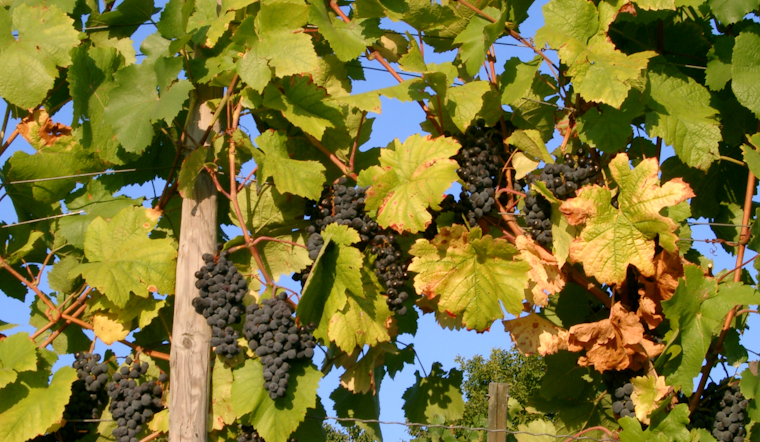
A brutal late April frost has turned Virginia and Maryland wine country into a damage report, wiping out large swaths of the 2026 grape crop and leaving some vineyards staring at rows of frozen shoots where this year’s vintage was supposed to be. Wineries of all sizes are already bracing for fewer bottles, smaller harvests, and potential staff cuts. Tasting rooms that count on spring and summer visitors may have to raid the cellar, juggle release dates, or both. Growers say the next few weeks will be critical in seeing how much fruit, if any, secondary buds can save.
In Maryland, Black Ankle Vineyards in Mount Airy reported total bud loss across roughly 100 acres and is projecting about $10 million in lost revenue, according to The Baltimore Banner. "We have never seen anything like this," the winery's communications manager told the paper, as crews walked frost-scorched rows that will not see a normal harvest this year.
The Maryland Department of Agriculture called the freeze "one of the most significant crop losses in recent memory" and urged affected growers to contact local Farm Service Agency offices, in a statement posted by the Maryland Department of Agriculture. WBAL-TV captured some of the overnight rescue attempts at several vineyards, including lighting fires between vine rows and hiring a helicopter to churn warmer air into the cold pockets settling over the fields.
Virginia growers took a heavy hit, too. Axios reports that New Kent Winery, near Richmond, lost as much as 90% of its crop. Boxwood Estate, near Middleburg, lost roughly three-quarters of its buds. Boxwood's vice president told Axios the business expects to hire fewer seasonal workers and bottle fewer 2026 releases while leaning more heavily on existing inventory to get through the lean year.
Growers stress that the full story is not written yet. There is still time to see whether secondary buds will push out and set fruit, a process that can salvage at least some of the crop, although typically at lower quality. Wine Industry Advisor and on-the-ground updates note that later-budding varieties, such as Cabernet Sauvignon, generally fared better in the cold snap than early white grapes like Chardonnay.
What Shoppers And Small Wineries Face
Virginia's wine economy is not a side hustle. Axios estimates the state’s wine industry at more than $8 billion a year, which means a shock to the grape supply does not stop at the vineyard gate. Fewer grapes ripple into tourism, restaurant wine lists, and tasting room sales across the region. Smaller, single-site wineries with thin margins are likely to feel the strain first, Axios notes, making local support and careful inventory management matter a lot more this season.
Winemakers say the play right now is solidarity. Many are already nudging customers to choose local bottles this year to help smaller producers survive the gap between harvests. Officials and industry groups are tallying the damage and exploring relief options, but vintners warn that the true financial fallout could stretch over several years, as lost vintages echo through future lineups and shrink what eventually makes it into the bottle.





