

























































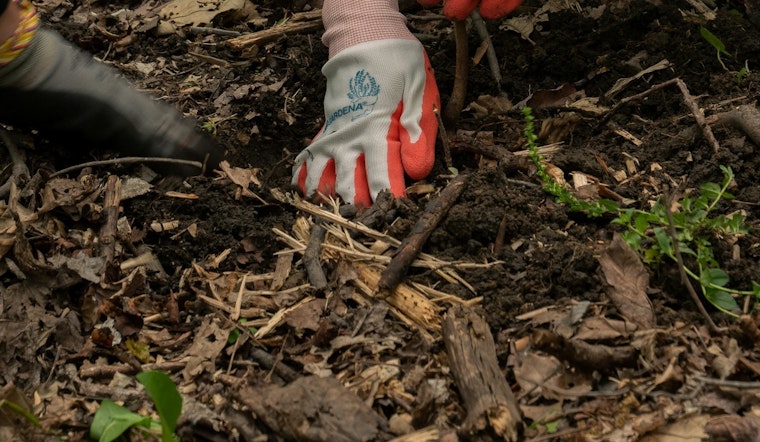
Minnesota is cranking up its fight against urban heat, rolling out a statewide tree-canopy map, new grants and a fresh wave of neighborhood plantings that kicked off in earnest this spring. On Arbor Day, students at Harding Senior High in St. Paul grabbed shovels and planted dozens of young trees, part of a broader push to shade schoolyards and other local heat islands. State officials and community groups say the goal is to close striking shade gaps that often line up with race and income.
According to the Star Tribune, students put 61 trees in the ground at Harding on April 24 and even gave a few saplings their own names. The report also cites analysis from the Reforestation Hub that estimates well-placed urban plantings across Minnesota could cut about 1.14 million tons of carbon dioxide a year, roughly the same as taking 250,000 cars off the road. Local plantings are being pitched as climate strategy and public health protection, not just a way to dress up the grounds.
DNR launches canopy viewer and awards grants
The Minnesota DNR says its new Community Tree Canopy Viewer lets cities compare canopy cover from 2010 to 2023 and pinpoint the blocks where shade is in shortest supply. Alongside the tool, the agency rolled out 12 million dollars in ReLeaf and Community Tree Planting grants to help remove hazardous ash trees, plant new ones and pay for maintenance for nonprofits, schools and local governments. DNR staff say combining the map with grant money should help communities target trees where they will cool the most people and trim energy bills.
Heat, equity and the data
National studies help explain why Minnesota is zeroing in on specific neighborhoods. An analysis by American Forests finds that majority-people-of-color areas and high-poverty neighborhoods often have far less tree cover than wealthier, majority-white parts of town, which leaves residents more exposed to extreme heat and pollution. That gap is a key reason Minnesota’s program steers funding toward communities with higher shares of low-income residents, limited-English speakers and lower life expectancy.
Schools feel the heat
Harding’s campus sits at around 24 percent canopy cover, compared with roughly 37 percent in Ramsey County as a whole, and teachers say the difference is obvious inside the building. “It’s just so hard to get kids to do anything when the classroom is literally 90 degrees,” a Harding teacher told the Star Tribune. Advocates call schoolyards some of the highest-impact planting spots, since shade can quickly cool down blacktops and classrooms that do not have air conditioning.
Nonprofits planting, but funds are fragile
Nonprofits are handling much of the hands-on work. Great River Greening’s Cooling Minnesota Communities program aims to plant and water up to 10,000 trees across several cities, and Tree Trust reports distributing more than 10,000 trees in recent years for both private and public sites. Great River Greening warns that uncertainty around federal funding briefly paused parts of its work this year and could threaten thousands of planned plantings and spring watering jobs if reimbursements are delayed. Advocates say the new state grants are vital, but that keeping young trees alive will take consistent follow-up care and reliable money.
What’s next
Planners caution that high-tech mapping and big planting days are only the opening act. Expanding the canopy for the long haul will require dedicated maintenance budgets, smart species choices and buy-in from neighbors so trees are cared for and survive to shade vulnerable areas for decades. Local groups are urging officials to lean on the new canopy viewer to steer funding to the hottest, least-shaded neighborhoods and to build watering and pruning into budgets alongside shovels and saplings. With heat waves expected to intensify, the stakes for every bare schoolyard and sunbaked block are only getting higher.





