

























































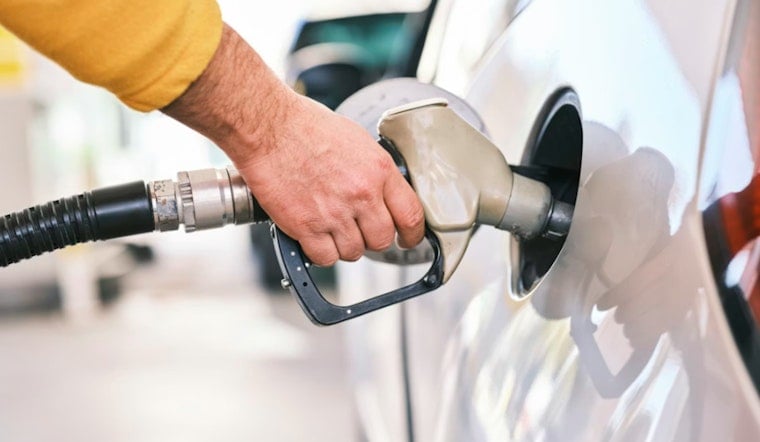
A state Assembly proposal to let Californians install federally approved E‑85 conversion kits is picking up speed in Sacramento this week. AB 2046 would open the door for ordinary gasoline vehicles to run on higher‑ethanol blends, a shift backers say could mean real money back in commuters’ wallets during yet another summer of brutal pump prices. The idea has fired up fuel retailers and consumer advocates while raising fresh questions about how it fits with California’s famously strict emissions rules.
What the bill would change
AB 2046, dubbed the "Access to Affordable Gas" bill, would let shops sell and install U.S. EPA‑certified E‑85 conversion kits without needing a separate sign‑off from the California Air Resources Board, according to a press release from Assemblymember Rhodesia Ransom. In the release, Ransom frames the measure as a simple option for drivers, not a new rule for carmakers: "Families across California are asking what we are doing about the price of gas," she said, arguing the bill would just bring California in line with other states where EPA‑approved kits are already on the market.
Regulatory shift at issue
Right now, California requires CARB approval for any aftermarket parts that change a vehicle’s fuel system, and so far no E‑85 conversion kit has cleared that hurdle. AB 2046 would carve out an exemption for systems already approved by the EPA, a tweak that E&E News reports would let manufacturers sell those kits in California without waiting for CARB. Supporters pitch that as a straightforward way to ease high pump prices; some regulators and critics counter that skipping a state review could weaken long‑standing protections meant to keep people from tampering with emissions controls.
Where the bill stands
The bill has already notched unanimous bipartisan support in the Assembly Transportation Committee and is now headed to the Assembly Appropriations Committee, according to local coverage. If it clears both chambers and Gov. Gavin Newsom signs it, aides say the law could roll out quickly, possibly by the end of the summer. That brisk timeline has vaulted the measure into the broader fight over how to balance short‑term relief for drivers with California’s climate and air‑quality goals.
Why drivers care
Backers point to eye‑popping price gaps at the pump. At one Tracy station this week, E‑85 was posted around $2.99 a gallon while regular gasoline sat north of $5, a spread supporters say adds up fast for people who rack up serious miles. "When you see $5 or $6 for a gallon of gasoline, it's a shock to the system," Jeff Wilkerson of Pearson Fuels told CBS Sacramento. Local drivers who already fill up with E‑85 say the math is no gimmick: one Stockton motorist told reporters he has run E‑85 in his GMC Yukon for years and figures he saves thousands of dollars annually.
Infrastructure and emissions trade‑offs
The fueling network is growing but still thin. Federal figures show roughly 598 public E‑85 stations across California and about 1.3 million ethanol‑capable vehicles registered in recent counts, highlighting a gap between the number of cars that could use the fuel and the number of places that actually sell it, according to data from the U.S. Department of Energy's Alternative Fuels Data Center. Proponents argue E‑85 can significantly cut greenhouse‑gas emissions depending on how the ethanol is made, while independent analyses point out that results vary widely. Corn‑based ethanol typically shows lifecycle GHG reductions on the order of a few dozen percent in widely used models, and more advanced cellulosic pathways can deliver much larger cuts, according to research compiled by the Union of Concerned Scientists.
What's next
AB 2046 still has a long road: it must pass Assembly Appropriations, clear the state Senate and land on the governor’s desk before it becomes law. Sponsors say they expect more detailed policy scrutiny at each step. The author’s office casts the bill as a way to expand consumer choice and deliver immediate price relief, while lawmakers on Appropriations are set to dig into possible impacts on air quality and enforcement. Observers should expect amendments and new oversight language as the tug‑of‑war between affordability advocates and environmental regulators plays out through the rest of the session.





