

























































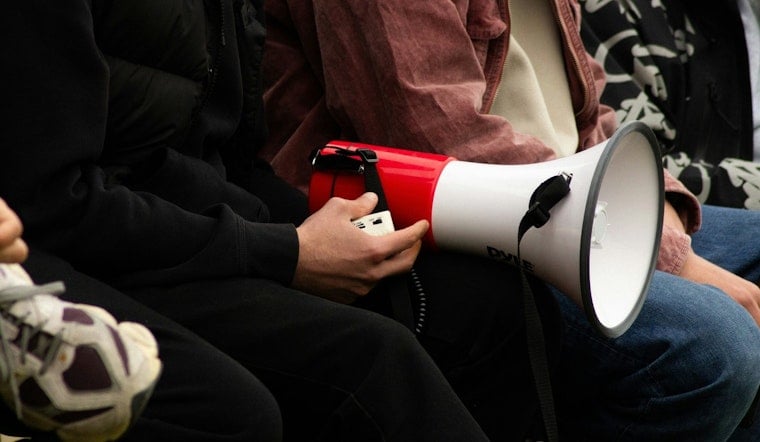
Dozens of advocates packed a New York City rally on Wednesday under a blunt slogan, "Stop the CREEP!," turning up public pressure on state lawmakers to bring the CREEP Act to a vote. Survivors, legal aid groups and elected officials called for new civil tools that would let people who are not family members or intimate partners get urgent protection from stalking and harassment. Organizers say they plan to keep leaning on the Assembly Judiciary Committee until members agree to schedule a vote.
What The CREEP Act Would Do
The Ceasing Repeated and Extremely Egregious Predatory (CREEP) Behavior Act would add a new civil anti-stalking order to New York's Civil Practice Law and Rules. Judges could issue temporary ex parte orders on an emergency basis, then final orders after a hearing.
Under the proposal, courts could order respondents to stop digital surveillance, delete harmful images or videos, disconnect shared or hacked devices, and stay away from a victim's home, workplace or school. Orders could also include money damages for legal and medical costs. As laid out in the bill on the New York State Senate website, petitioners could receive a same-day or next-day hearing for temporary relief.
Where The Bill Stands
State senators signed off on the measure in a floor vote in February and then sent it to the Assembly. The companion bill, A3226/S3394, is now sitting in the Assembly Judiciary Committee, where advocates are pressing members to move it to the floor for a full vote. The bill's sponsors and legislative history are tracked on public bill databases such as LegiScan.
Advocates Take The Case To NYC Streets
Rally organizers did not come alone. Local advocates recruited high-profile supporters and public officials to amplify the push, with amNewYork reporting that rapper Joey Bada$$, survivor-advocate Lameka Fox and Brooklyn District Attorney Eric Gonzalez all backed the effort.
In a written statement to amNewYork, Assembly sponsor Jessica González-Rojas said the CREEP Act "would give survivors a clear and immediate path to protection." Assemblymember Charles Lavine told the outlet he is optimistic the bill will ultimately become law.
Why Supporters Say It Matters
Supporters argue the bill plugs a serious gap that keeps many victims, especially those targeted by strangers or casual acquaintances, from getting civil relief unless there is a criminal arrest. Survivor services group Safe Horizon notes that the proposal would bring New York in line with roughly 43 other states that already allow emergency anti-stalking orders outside of family court, and has assembled advocacy tools for those urging lawmakers to act.
Backers say the measure is designed to cut down the time survivors wait for protection and to modernize state law for the realities of online harassment, tracking apps and other digital abuse.
Legal Impact And Enforcement
If enacted, the CREEP Act would fold anti-stalking orders into New York's civil framework and hook enforcement to penalties that already exist. The bill cross-references criminal contempt and related offenses for violations, and it would let courts impose no-contact conditions, fees and mental-health treatment where appropriate.
The statute spells out how temporary ex parte relief would work, sets a path to a full hearing and includes rules on service and translation aimed at improving access for people with limited English proficiency. For full statutory language and enforcement details, see the bill text on the New York State Senate site.
What's Next
Advocates say they will keep lobbying Assembly members and the Speaker to put the CREEP Act on the Judiciary Committee agenda, while legislative sponsors stress that the next move has to come from that committee. If Judiciary reports the bill out, it can advance to the Assembly floor for a vote. If the committee keeps it off the agenda, the proposal remains stuck for the rest of the session.
The measure's current status, sponsor list and full text are available on bill-tracking sites such as LegiScan.




