

























































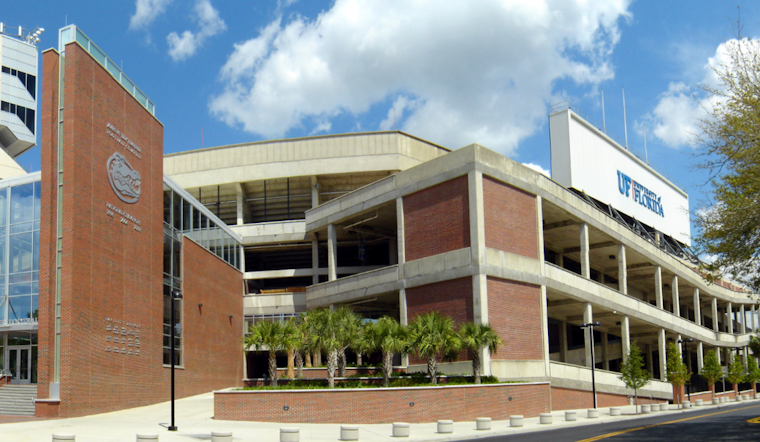
Florida athletic director Scott Stricklin is promising that a major renovation of Ben Hill Griffin Stadium, better known as the Swamp, will not come at the expense of its famed capacity or its ear-rattling roar on Saturdays. The University Athletic Association has already pushed out a detailed survey to season ticket holders and donors, and thousands of responses reportedly poured in within the first 24 hours. The plan is to tackle the work in phases so the Gators can keep playing at home while crews refresh concourses, carve out new premium areas, and address aging infrastructure.
According to the Orlando Sentinel, Stricklin said the objective is to maintain the Swamp's existing capacity and powerful home-field advantage even as designers introduce more high-end seating options. The Sentinel also reported that the UAA survey landed quickly in fans' inboxes and that responses came back within a day, a pretty clear sign of how closely boosters and season ticket holders are watching every move.
Budget and timeline
Officials say the project will roll out in stages, with the first phase pegged at roughly $400 million and planning documents putting a precise figure at about $398.5 million. Yahoo Sports reported those numbers along with a tentative schedule that would launch major construction in 2027 and aim for substantial completion within a few years after that. Project materials list Crawford Architects as the architect of record and name Brasfield & Gorrie among the construction partners, creating a multi-firm team to juggle design and logistics, while Canopy Team outlines how the design and delivery groups fit together.
What fans can expect
The concepts the UAA is floating would increase premium seating and club spaces while keeping as much general seating as possible. Some of those new premium sections are expected to require a donor purchase, structured as a one-time capital gift spread over five years, the Sentinel reports. That kind of setup has become standard across big-time college football, helping schools bankroll large upgrades without hollowing out the main seating bowl. The 2003 expansion, which added dozens of suites and about 2,900 club seats at an estimated cost of $50 million, was the last big interior overhaul and has served as a blueprint for mixing added revenue with preserved capacity, as documented by On3.
History and stakes
Florida Field opened in October 1930 with roughly 21,769 seats, and the bowl and playing surface have been tweaked and expanded many times since, according to Wikipedia. The University of Florida now lists the stadium's official capacity at 88,548. Protecting that sheer size, and the noise it helps trap inside the bowl, is a central reason officials keep stressing that the Swamp's intimidating vibe will remain the priority even as the building itself moves into a more modern era.
What's next
Design and schematic work is set to continue through the spring and into the fall while the UAA finalizes budgets and a financing plan, according to project information from Canopy Team. Fans can expect public meetings, the release of schematic renderings, and a formal announcement on how the project will be funded before any large-scale demolition or seating changes get underway.



