

























































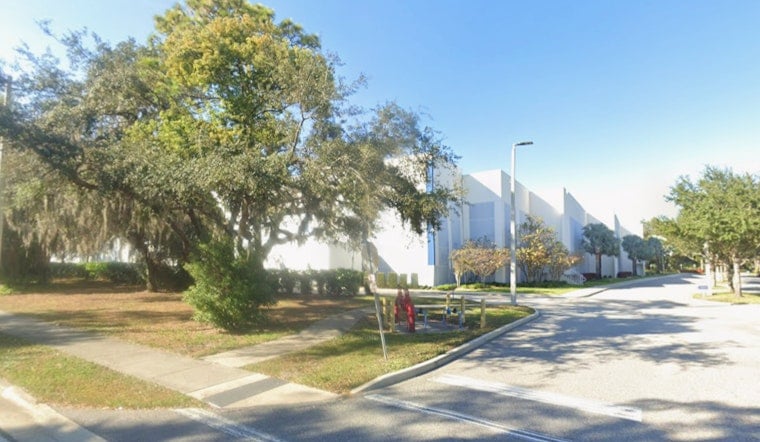
For years, a low-profile medical sterilization plant on the edge of Temple Terrace quietly vented ethylene oxide, a colorless, cancer-linked gas, into neighborhoods near the University of South Florida and nearby suburbs, residents say. More than a dozen people now blame cancers on that exposure and have filed or pursued legal claims. Their allegations, combined with new reporting, raise pointed questions about whether regulators and the company did enough to track and limit what was leaving the smokestack.
Facility identified, risks modeled
Federal records identify the operation as American Contract Systems, Inc., at 7802 East Telecom Parkway in Temple Terrace. EPA modeling, based on the plant’s operations before July 2023, found a measurable increase in lifetime cancer risk for people living nearby. According to the EPA, the elevated risk drops with distance but still covers homes, schools and workplaces inside a mapped plume around the facility. The agency has posted maps, fact sheets and meeting recordings used to explain those findings to the community.
Investigation finds years of releases
A Tampa Bay Times investigation reported that the company used ethylene oxide for years to sterilize medical equipment before its current controls were installed, and that neighbors and former workers said they were not warned about long-term risks. As detailed by the Tampa Bay Times, more than a dozen people now say the plant caused their cancers and many have filed or are pursuing legal claims. The reporting links the plant’s emissions to community health complaints and highlights delays in oversight and enforcement.
State oversight and controls
The Florida Department of Environmental Protection says the company installed three dry-bed scrubbers in July 2023 and that preliminary testing showed those controls were roughly 99.9 percent effective at reducing emissions. In a July 25, 2023 memo, the Florida Department of Environmental Protection said the scrubbers should cut stack emissions from about five pounds per day to under 0.05 pounds, and that DEP oversaw testing at the site. The agency added that it expected the EPA to remodel the facility’s risk profile now that the controls are running.
Why this matters now
Shifting federal policy has put extra heat on sterilizer operations across the country. The Associated Press reported in March 2026 that EPA leaders proposed loosening parts of the stricter 2024 emissions rules for ethylene oxide, a move critics warn could weaken protections for communities that live near sterilization plants. That national tug-of-war raises the stakes for how regulators and courts handle past exposures and future compliance in places like Temple Terrace.
Community reaction
Neighbors and local groups told the Times they were blindsided when EPA modeling showed elevated cancer risk around the plant, and many say they now want independent health monitoring and clearer public data from officials. Several residents who have been diagnosed with cancer described the anger and disbelief of learning only recently that a facility at the edge of their neighborhood had been flagged as a source of ethylene oxide. Local leaders, county health staff and company representatives did not offer detailed public statements in the Times’ coverage, leaving residents publicly demanding more direct answers.
Legal implications
Lawyers and public health experts say the Temple Terrace claims mirror litigation in other cities where ethylene oxide sterilizers operated for years without modern emission controls. Past lawsuits tied to commercial sterilizers have led to multimillion-dollar settlements and long court fights over whether having a permit and meeting its terms shields companies from responsibility, a pattern documented by ProPublica. Plaintiffs typically argue they endured long-term exposure, that controls were inadequate, and that neighbors were not properly warned, themes likely to surface in any Temple Terrace cases.
What’s next
State and federal agencies say they will keep monitoring the site and update risk models now that the new engineering controls are in place, while residents say they will push for independent health studies and fuller disclosure. The Florida Department of Environmental Protection has overseen stack tests and says it expects new EPA modeling, and community advocates want those results made public along with broader air monitoring around the area. As regulatory reviews and potential lawsuits move forward, Temple Terrace is being watched as a test of how quickly agencies and companies can turn new hardware on a smokestack into something far harder to measure, which is restored neighborhood trust.





