

























































Texas has quietly overhauled its emergency mental health rules, giving police more leeway to step in earlier when someone is spiraling. Instead of waiting until a person is in clear and present danger, officers can now seek an emergency detention based on signs such as severe emotional distress, inability to care for basic needs, mental deterioration, and an inability to recognize the need for treatment.
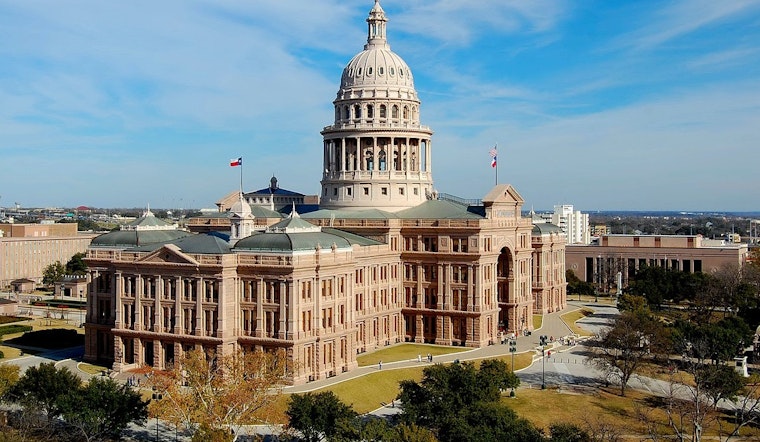
As detailed by the Texas Legislature, Senate Bill 1164 amends the Health and Safety Code so officers can rely on evidence of severe emotional distress and deterioration when filing a Notification of Emergency Detention and prescribes a standardized detention form. The enrolled bill was passed by the 89th Legislature, and the statute took effect on Sept. 1, 2025, according to legislative records.
Supporters Say Earlier Help Can Prevent Tragedies
Families, mental health advocates, and some law enforcement trainers argue this is exactly the kind of earlier intervention that can keep crises from ending in jail, hospitalization or violence. As reported by ABC13 Houston, Texans with lived experience and advocates told reporters that, in certain cases, forced treatment helped them stabilize. One advocate told the station, "We are too sick to recognize the need for treatment."
National groups such as NAMI emphasize that community crisis services should be the first line of response, but they also acknowledge the very real gaps in access that often leave officers as the de facto front line.
Critics Warn of Subjectivity and Civil Rights Risk
Opponents see a different story: a lower standard that leans on subjective clinical judgments by officers and could invite unnecessary or uneven detentions from county to county. According to Spectrum News, civil liberties advocates are sounding alarms about how the law will play out on the street.
Policy analysts at Texas Policy Research argue that SB 1164 lowers the threshold for state intervention by allowing detention based on clinical impressions such as deterioration or lack of insight, rather than clear imminent danger.
How Local Systems Could Be Affected
On paper, the new standard is straightforward. In real life, everything will depend on whether police, hospitals, and local mental health authorities can turn the law into consistent practice and documentation.
ABC13 Houston notes that some departments have already briefed officers on the change. At the same time, observers warn that Texas' limited inpatient psychiatric capacity, especially in rural counties, could make it difficult to find actual treatment placements for people who are detained, a gap documented by The Texas Observer.
Legal and Civil Rights Implications
On the legal side, SB 1164 keeps a medical gatekeeping step: facilities may admit a detained person only after a physician's written preliminary exam finds that the person is a person with mental illness and that detention is the least restrictive means, language spelled out in the bill text. As shown by the Texas Legislature, the law also standardizes the officer notification form and recordkeeping.
Civil rights lawyers, however, say the paperwork alone is not a safeguard. They argue that independent judicial review, access to counsel, and robust training for officers and medical staff will be critical if the state wants to expand detention powers without trampling on individual rights.
If you or someone you know is in crisis, trained counselors are available 24/7 by calling or texting 988 Lifeline. The fight over SB 1164 underscores a broader choice for Texas policymakers: pour resources into community crisis teams and treatment beds, or keep widening the situations in which people can be detained in the name of care.





